Self-Publishing Glossary: Every Term You Need to Know
By Robert Prime
Last reviewed by Robert Prime — March 2026
Self-publishing is a complex terrain littered with jargon and technical terms that can confuse even seasoned authors. Whether you’re preparing your manuscript for Amazon KDP or working with a UK print-on-demand provider, understanding the terminology is crucial. As someone with over 25 years in eCommerce and deep involvement in UK publishing, I’ve witnessed firsthand how a lack of clarity around these terms can derail authors’ success.
This glossary is not just a dictionary; it’s a practical, UK-focused guide to help you navigate self-publishing with confidence. I’ll walk you through essential terms, UK-specific pricing, common pitfalls, and advanced tips gleaned from my experience. Along the way, you’ll find insights on how professional formatting services like publishing.co.uk can save you time and money.
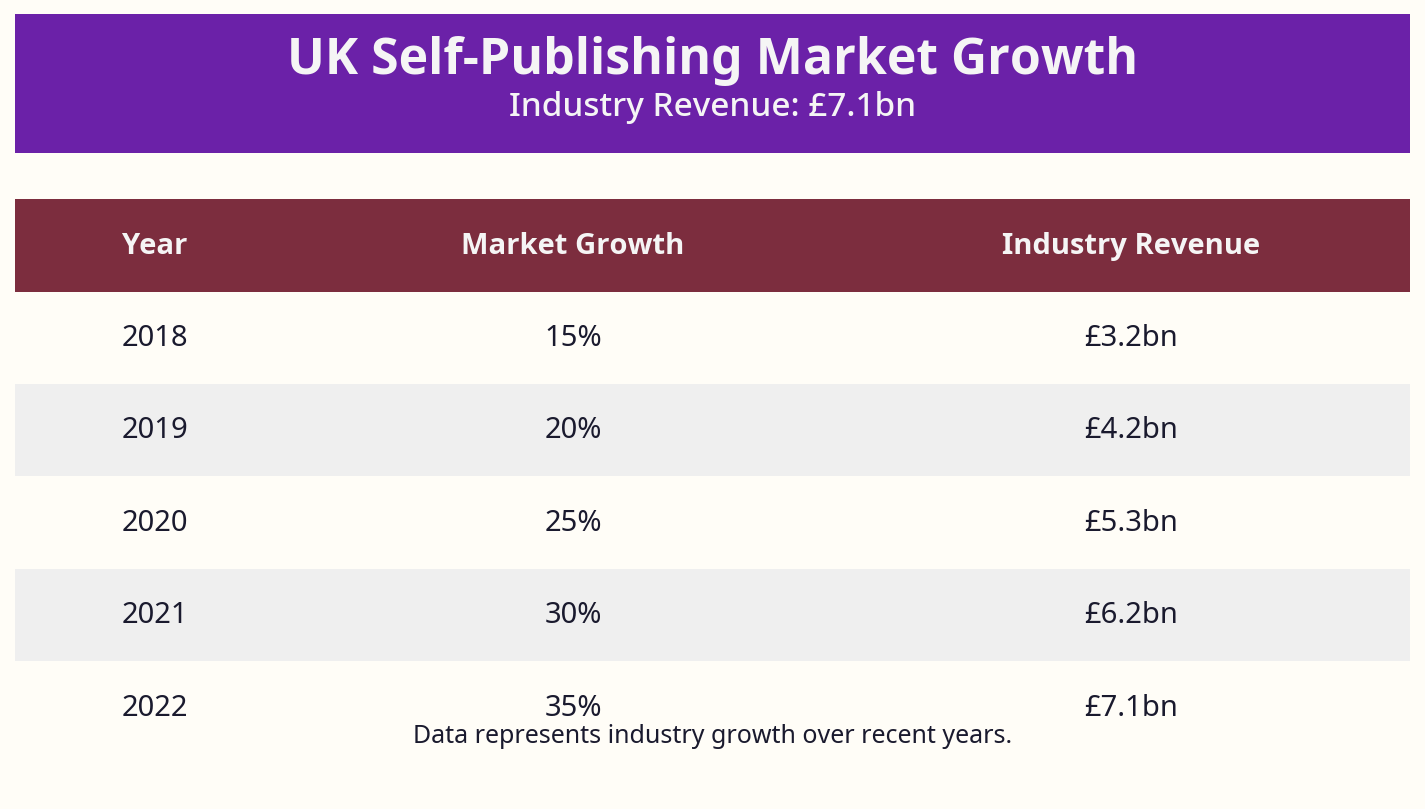
Table of Contents
- What You Need to Know Before Starting
- Step-by-Step Guide
- UK-Specific Considerations
- Common Mistakes and How to Avoid Them
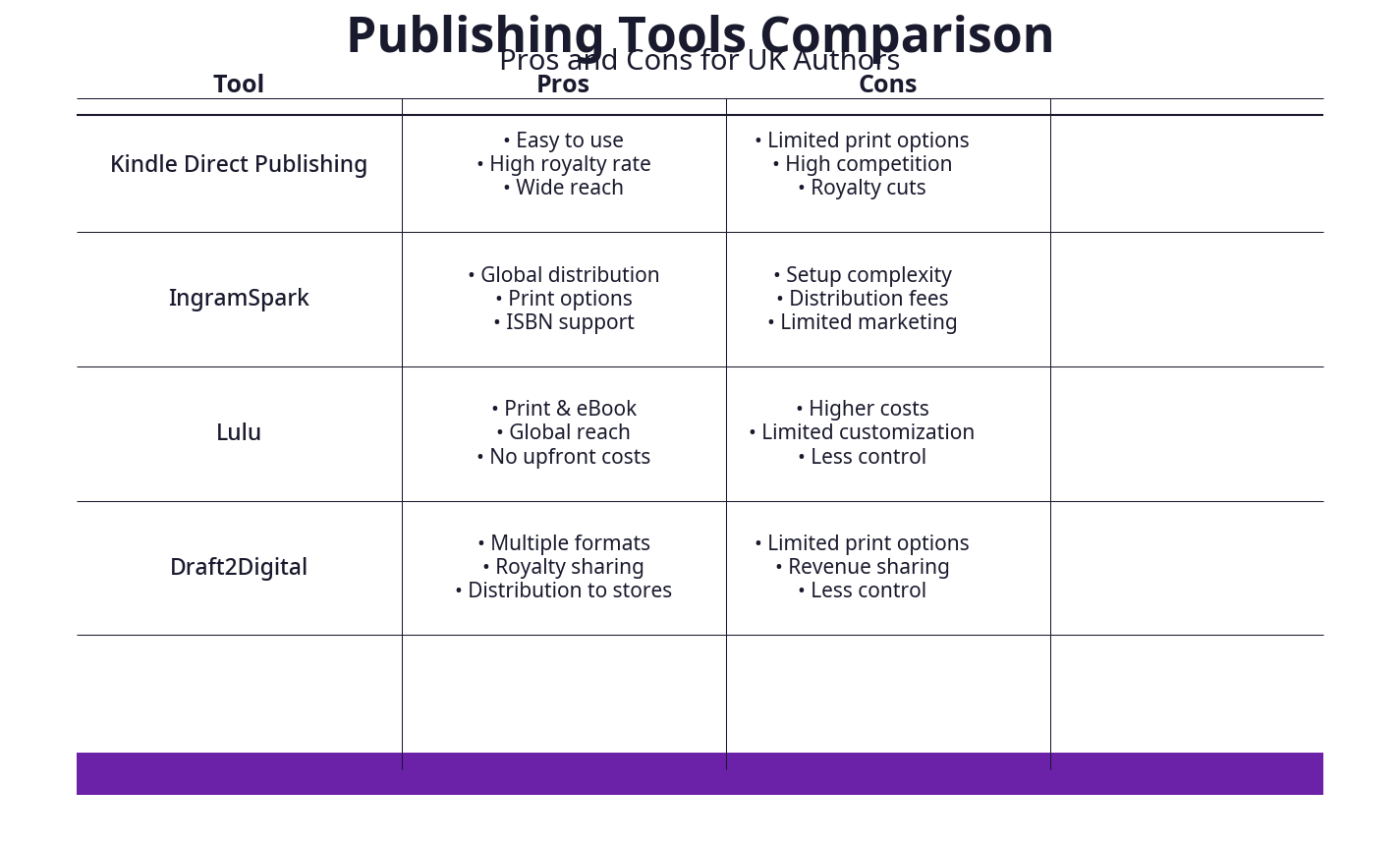
- Tools and Resources
- Cost Breakdown (UK Pricing)
- Expert Tips from 25 Years in the Industry
- Frequently Asked Questions
What You Need to Know Before Starting
Self-publishing isn’t just about writing a book and hitting “publish.” It involves a series of technical and business decisions that affect your book’s quality, discoverability, and ultimately sales. The terminology you’ll encounter spans file formats, marketing concepts, pricing models, and legal requirements.
Here’s what’s critical before you dive in:
Format Matters: Different platforms require specific file formats. For example, Amazon KDP prefers EPUB or MOBI files for ebooks and print-ready PDFs for paperbacks. Understanding the difference between formats like DOCX, EPUB, and PDF can save you hours of frustration.
ISBN Ownership: In the UK, ISBNs are purchased through Nielsen, not Bowker like in the US. This matters because free ISBNs from Amazon list Amazon as the publisher, which can limit your control and revenue streams.
Print Specifications: Terms like bleed, trim size, and gutter margin are vital when preparing print books. If your formatting doesn’t account for these, expect rejection or subpar print quality.
Royalty Structures and Pricing: UK authors must understand VAT implications and the difference between print cost, retail price, and royalties, especially when selling through Amazon UK or local retailers.
When I was preparing my own book, Google. Panic. Repeat., I thought writing was the hard part. The reality hit when I tried to get a KDP-ready file. Despite being technically savvy, I spent hours wrestling with file conversions, margin settings, and Amazon’s confusing upload portal. At one point, I hired a £130 formatter who delivered a shoddy product, forcing me to start from scratch. This experience cemented my belief that mastering these terms early is crucial.
I also consult for a billion-pound publishing business that was struggling with the exact same formatting issues—proof that even large organisations face these headaches. This only underlines how important it is for authors to get this right from the start.
Step-by-Step Guide
Understanding the glossary is a start; applying it correctly is where many falter. Here’s a practical, stepwise approach to self-publishing with key terminology explained in context:
1. Manuscript Preparation
- Manuscript: Your raw text file, ideally polished and edited. Typically in DOCX or ODT format for ease of conversion.
- Front Matter: Includes title page, copyright page, dedication, and acknowledgments. Must be formatted precisely for professional appearance.
- Back Matter: Contains author bio, glossary, index, or promotional material.
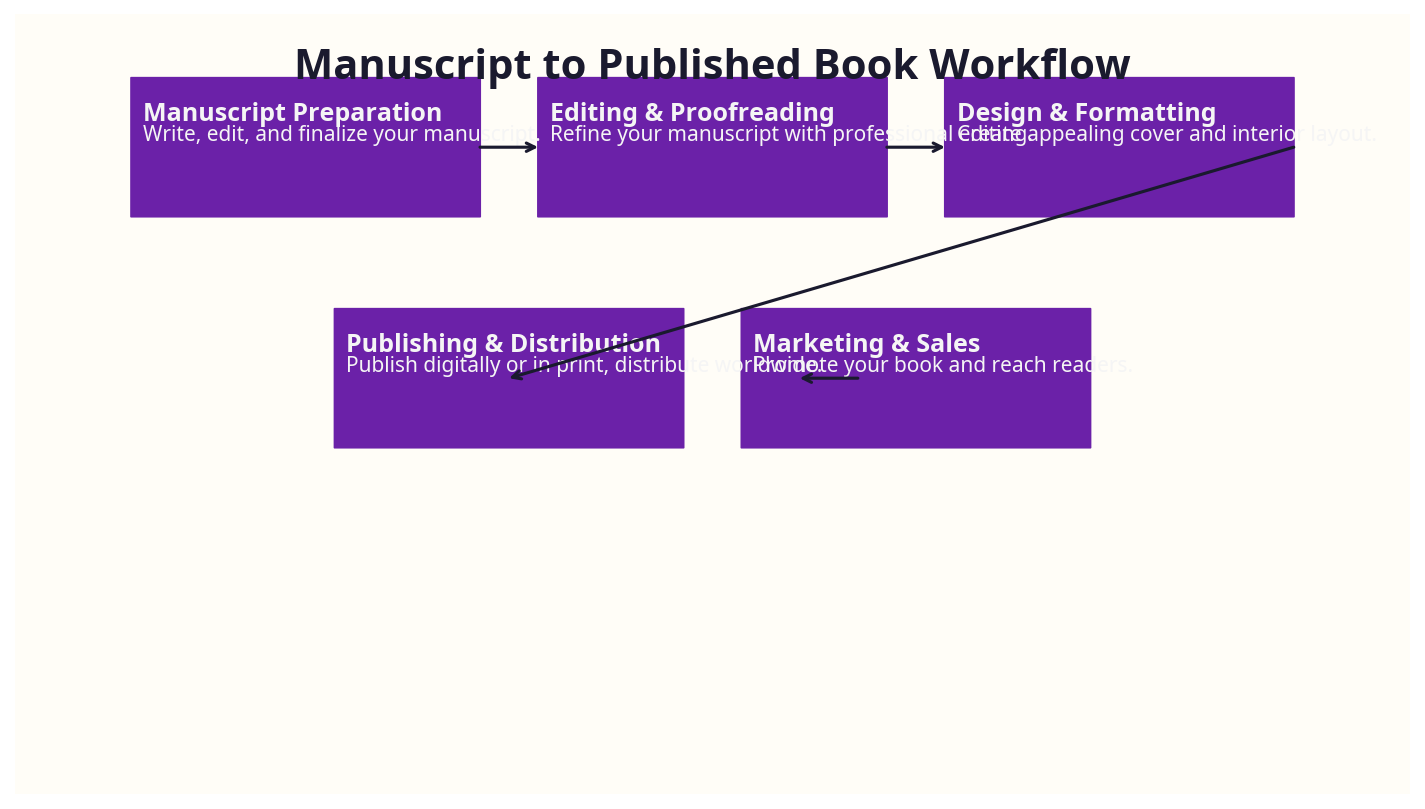
Practical advice: When working in Microsoft Word (the most common tool for UK authors), use View > Navigation Pane to organise your manuscript sections and headings. This aids in creating an automatic Table of Contents later on.
2. Formatting Your Book
- Trim Size: Final book dimensions (e.g., 5”x8” or 130mm x 198mm). UK printers often use metric sizes.
- Bleed: Area beyond trim size to allow images or backgrounds to extend to the page edge without white borders.
- Gutter: Extra margin on the inner edge to account for binding.
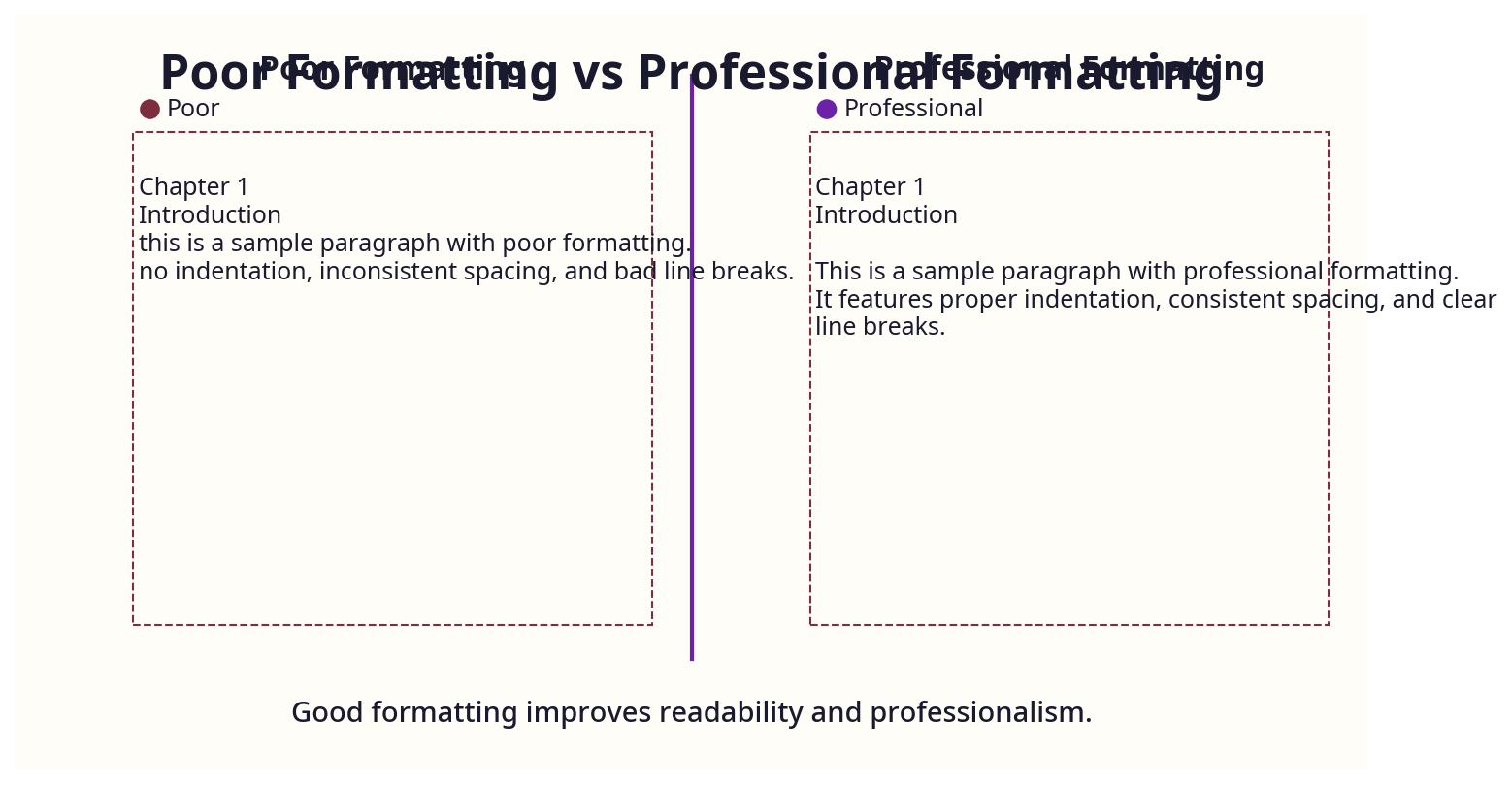
- Paragraph Styles: Consistent use of styles like indents or block paragraphs improves readability and conversion quality.
- Table of Contents (TOC): Essential for ebooks; must be clickable and correctly linked.
Step-by-step in Word:
- Go to Layout > Margins > Custom Margins, then set the gutter (typically 0.5cm for paperbacks).
- Use Home > Styles to apply consistent heading and paragraph styles throughout.
- For print books with images extending to the edge, add a bleed of 3mm on all sides in your page setup, then export as PDF with bleed settings enabled.
3. Creating the Ebook File
- EPUB: The industry standard ebook format accepted by KDP and most retailers. Must be properly validated to avoid upload errors.
- MOBI: Amazon’s older ebook format, being phased out in favour of EPUB.
- Kindle Previewer: Amazon’s tool to preview how your ebook looks on Kindle devices and apps.
Practical tip: To convert DOCX to EPUB, I recommend using Calibre or the online tool at Draft2Digital, which creates clean EPUBs with clickable TOCs. Then, always preview your EPUB in Kindle Previewer (available at https://kdp.amazon.com/en_US/help/topic/G202131170) before upload.
4. Cover Design and Preparation
- Cover Wrap: For print books, this includes front cover, spine, and back cover. Must match trim size and include bleed.
- Barcode: Usually an EAN-13 barcode placed on the back cover for retail scanning in the UK.
Cover design advice: UK print providers require precise cover dimensions including spine width, which depends on page count and paper type. For example, a 200-page paperback with 80gsm paper might have a spine width of approximately 7mm. Use cover templates from your chosen printer or IngramSpark for exact measurements.
5. ISBN Acquisition
- ISBN: International Standard Book Number, a unique identifier for your book. In the UK, purchase from Nielsen.
- Free KDP ISBN: Amazon offers a free ISBN, but it lists Amazon as the publisher, which may not suit authors wanting full control.
Why buy your own ISBN? Owning your ISBN ensures you are listed as the publisher, enabling sales through libraries, independent bookstores, and aggregation platforms beyond Amazon. It also preserves your metadata for future editions or formats.
6. Upload and Distribution
- Print on Demand (POD): Books printed individually as orders come in, eliminating upfront inventory costs.
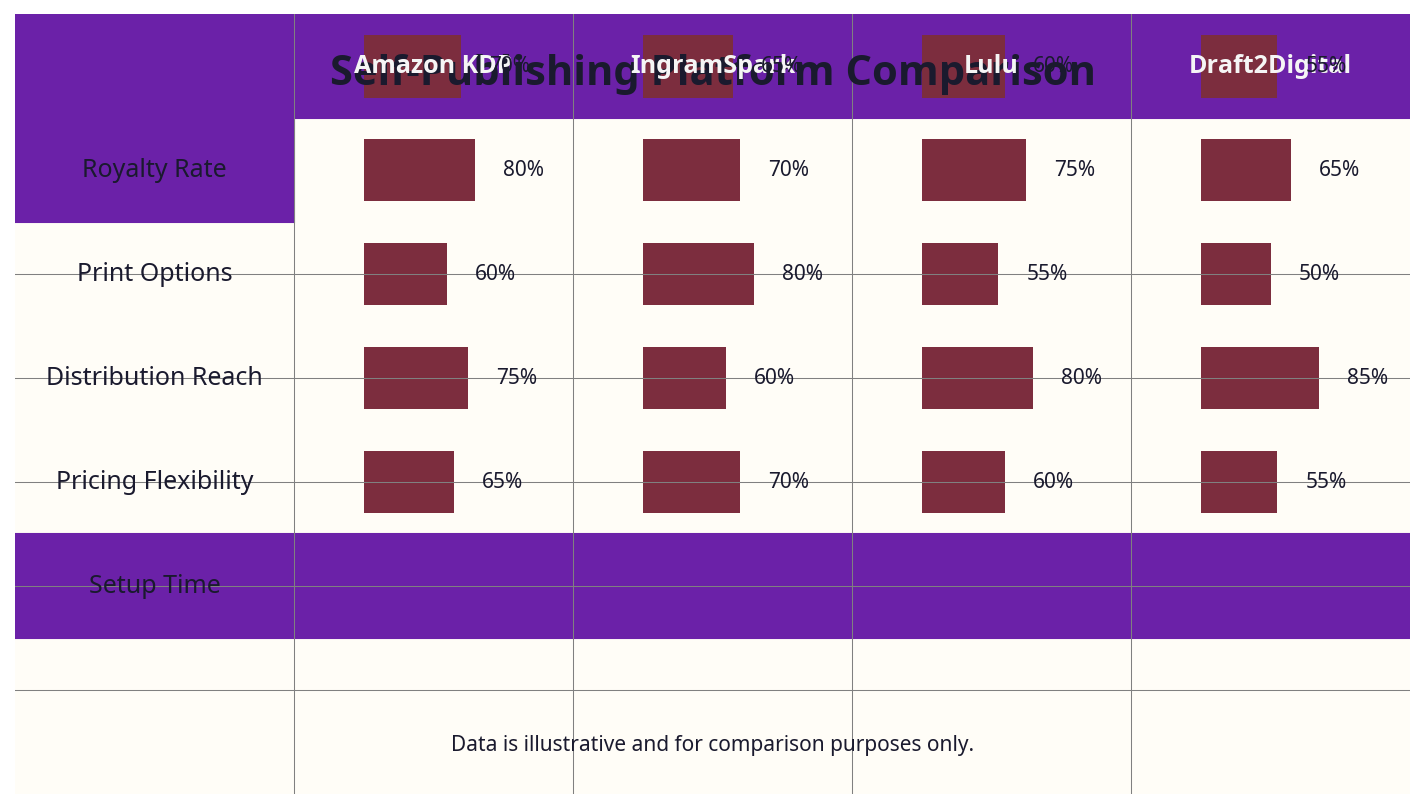
- Distribution Channels: Amazon KDP, IngramSpark, and local UK distributors have different requirements and royalty models.
Distribution advice: For UK authors targeting local bookshops, IngramSpark offers wider distribution to physical retailers and libraries than KDP. However, IngramSpark requires your own ISBN and has setup fees (£49 per upload). Amazon KDP is free but tied to their platform.
UK-Specific Considerations
The UK publishing landscape has nuances that US-centric glossaries miss, yet these are crucial for authors serious about professional results and profitability.
ISBN Costs and Importance
Unlike the US, where Bowker provides ISBNs, the UK’s sole ISBN agency is Nielsen. Here’s the current pricing:
- Single ISBN: £93
- Block of 10 ISBNs: £174
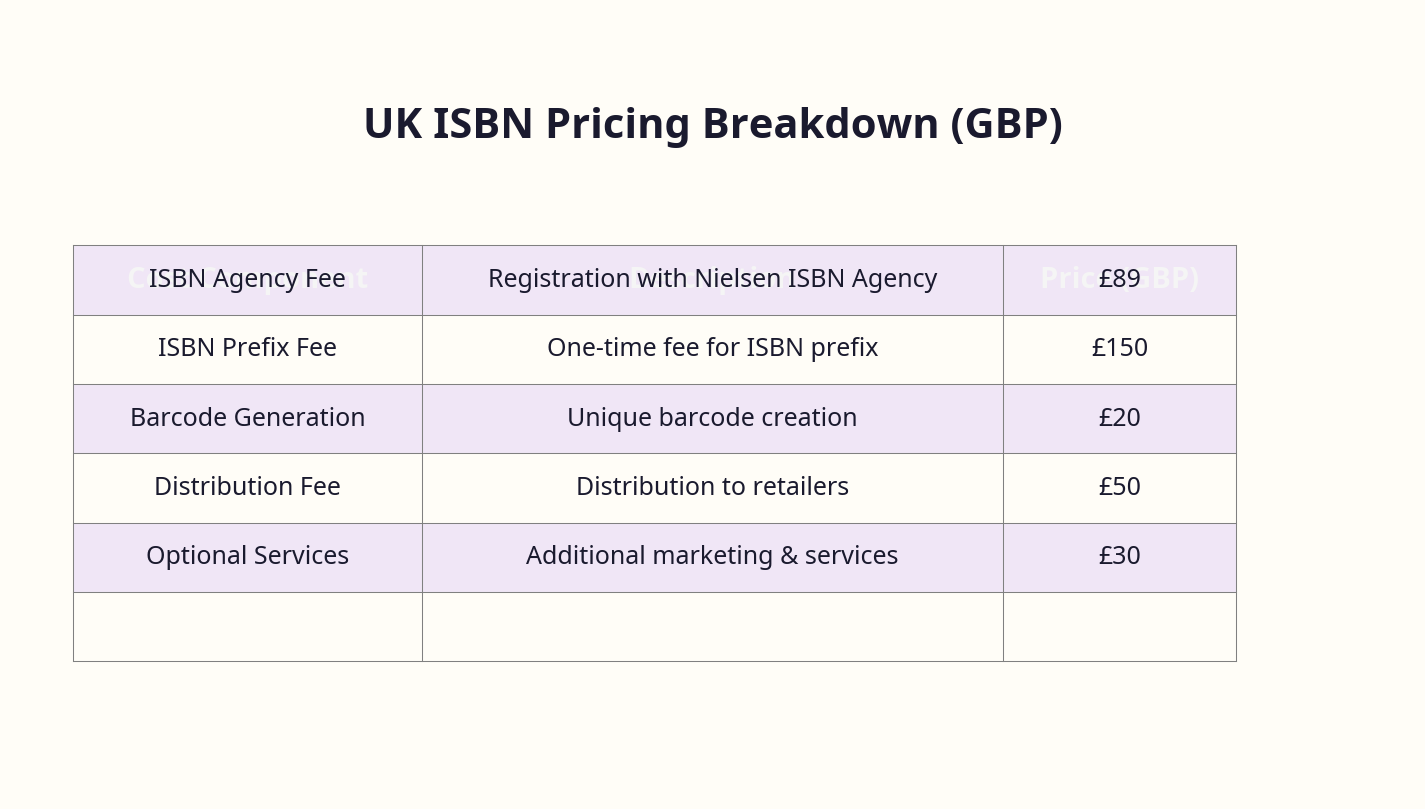
Buying your own ISBNs is a business decision. Owning your ISBN means you keep your imprint and metadata under your control, which is vital if you want to expand distribution beyond Amazon.
Personal anecdote: I remember when self-published authors in the UK were reluctant to buy ISBNs due to the upfront cost. But since I insisted on owning my own, I’ve been able to place my books in libraries and UK bookstores without Amazon’s imprint muddying the waters. It’s an investment in credibility.
VAT on Books
Print books sold in the UK are zero-rated for VAT, but ebooks attract a reduced VAT rate (currently 20%). This affects pricing strategy and net royalties. For example, if you price your ebook at £3.99, you must deduct VAT before calculating royalties.
Business tip: When setting your retail price, factor in VAT to ensure your net income meets your goals. Many UK authors overlook this and price ebooks too low.
Print Specifications and Suppliers
UK print-on-demand services often expect A5 (148mm x 210mm) or B-format sizes (129mm x 198mm). Understanding these standard sizes saves costly reformatting.
Market insight: UK readers are accustomed to B-format paperbacks, which are more compact and popular on high streets. Choosing this size over US-standard 6"x9" can help your book look familiar and professional locally.
Market Size and Growth
The UK publishing market generated £7.1 billion in 2023, with self-publishing growing at 68% over five years. This growth means more competition but also more opportunity for well-prepared authors.
Case study: A UK author I worked with launched a crime thriller targeting local interest areas. By selecting the right print size and using UK distribution channels, she sold over 3,000 copies in 12 months, mainly through local bookstores and events.
Legal Requirements
UK copyright automatically protects your work once fixed in a tangible form, but registering with the UK’s Intellectual Property Office or using a timestamped proof can add protection.
Pro tip: Use services like Myows or send yourself a printed copy via recorded delivery to create proof of authorship. While not mandatory, it can help in disputes.
Common Mistakes and How to Avoid Them
Self-publishing glossaries help, but many UK authors still trip over avoidable errors. Here’s what I see most often:
Underestimating Formatting Complexity
Many believe that simply uploading a Word document to KDP will suffice. It won’t. Margins, indents, fonts, and file types all matter. For example, a common error is ignoring gutter margins, leading to text cut off in print.
Real-world example: A client sent me a manuscript with no gutter margin set. When his book arrived, the text near the spine was partially obscured, frustrating reviewers and readers alike.
Using Free ISBNs Without Understanding Implications
Free KDP ISBNs list Amazon as the publisher, which can limit your ability to sell through other channels or maintain rights. Many UK authors regret this after publication.
Ignoring UK Market Specifics
Failing to account for UK pricing norms, VAT, and print sizes can cost authors time and money. For example, pricing a print book too low without considering print cost and VAT can result in zero or negative royalties.
Relying on Low-Quality Formatting Services
I’ve personally hired a £130 formatter who delivered terrible files. Fiverr gigs often use pirated fonts or images, risking copyright strikes. Investing in a service like publishing.co.uk ensures UK-specific formatting expertise and reduces headaches.
Skipping Metadata Optimisation
Terms like Keywords, Categories, and Description are often overlooked. These directly impact discoverability on Amazon UK and beyond.
Practical tip: Use Amazon’s KDP dashboard to research keywords with the highest search volume but low competition. Use UK English spelling and phrasing for better local targeting.
Tools and Resources
Here’s a curated list of tools that UK authors swear by for mastering the self-publishing glossary and process:
- Microsoft Word: Still the most common manuscript tool. Use Layout > Margins > Custom Margins to set trim size and gutter correctly.
- Calibre: Free ebook management software, useful for conversions but with a steep learning curve.
- Kindle Create: Amazon’s own ebook formatting tool, decent but limited for complex layouts.
- Adobe InDesign: Industry-standard for professional print layout, but expensive and with a steep learning curve.
- Publishing.co.uk Formatting Service: UK-based, automated, and tailored for KDP and UK print specs — saves authors from technical headaches.
- Nielsen ISBN Agency: For UK ISBN purchases and metadata management.
- LoveReading.co.uk: The UK’s largest book review platform, invaluable for marketing insights.
- KDP Dashboard: Amazon’s publishing portal, essential for managing ebooks and print titles.
- BookFunnel: For distributing advance reading copies (ARCs) to reviewers.
Menu path example: In Microsoft Word, set margins by clicking Layout > Margins > Custom Margins. Then, set the gutter margin to 0.5cm or more, depending on book thickness. This is crucial for print preparation.
Cost Breakdown (UK Pricing)
Understanding the financial aspect is critical for budgeting your self-publishing journey. Here’s a detailed breakdown in GBP:
| Service / Item | Typical Cost (GBP) | Notes |
|---|---|---|
| ISBN (single) | £93 | From Nielsen, essential for wide distribution |
| ISBN (block of 10) | £174 | More cost-effective for multiple books |
| Professional Cover Design | £300 - £600 | UK designers like Spiffing Publishing charge around £450 |
| Formatting Service | £100 - £250 | publishing.co.uk offers automated, UK-tailored formatting |
| Proof Copies (print-on-demand) | £4 - £8 per copy | Depends on trim size and page count |
| Editing (copy and developmental) | £500 - £2,000+ | Highly variable, essential for quality |
| Marketing (Amazon Ads, PPC) | £50+ per month | Ongoing cost, requires expertise |
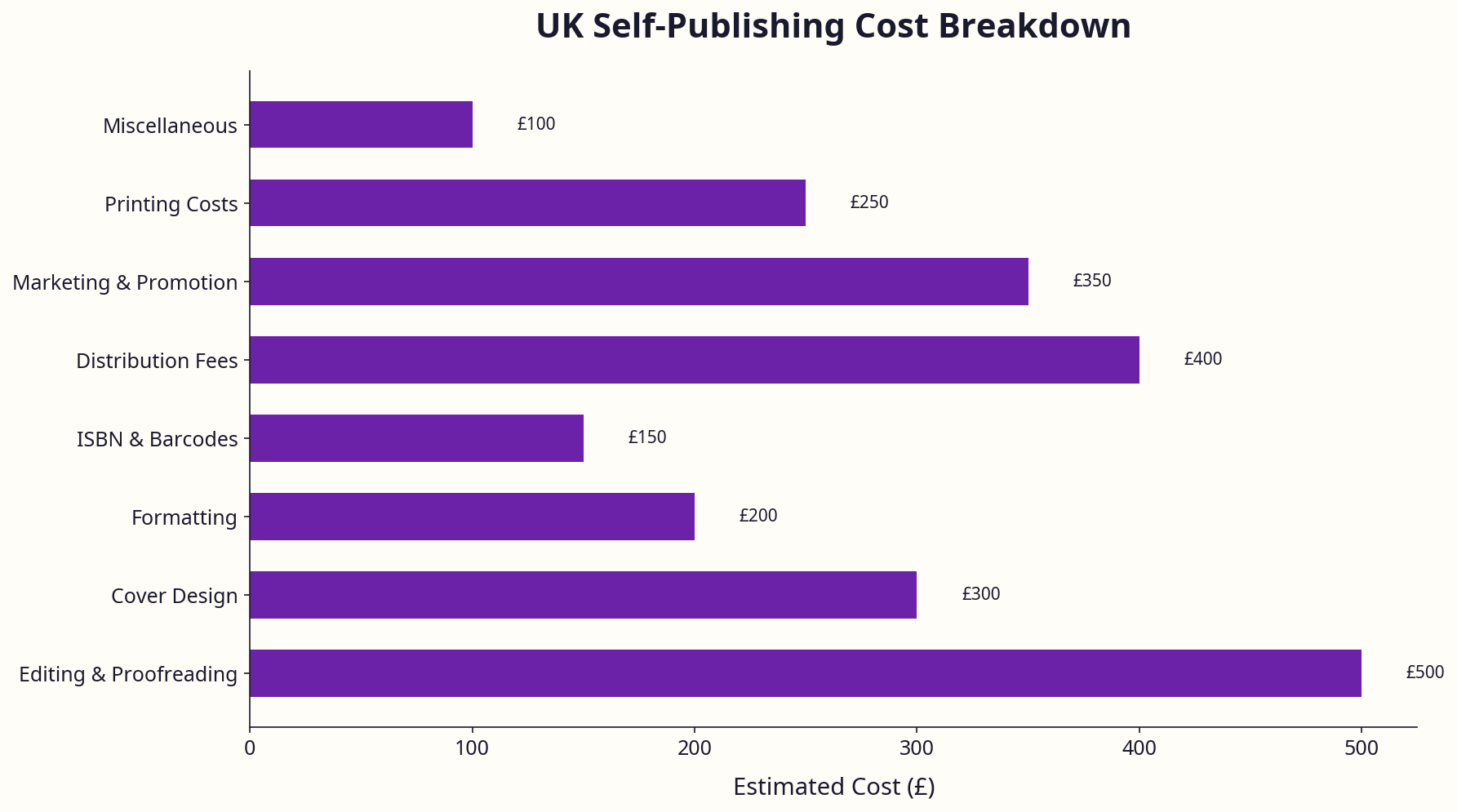
Real cost example: When I published Google. Panic. Repeat., my ISBN block cost £174, cover design was £500, formatting £130 (which I had to redo), and editing £1,200. Proof copies were around £5 each. Budget accordingly.
Expert Tips from 25 Years in the Industry
Drawing on my 25 years in eCommerce, including running MrPrime.com and co-owning LoveReading.co.uk, here are some battle-tested tips for UK self-publishers:
Think Like a Business
Self-publishing is not a hobby; it’s running a product launch. Your book is your product, and every technical term you learn affects your “product quality.” Treat formatting, metadata, and marketing like essential business functions.
Own Your ISBNs
Buying your own ISBNs through Nielsen means you control your metadata and publishing imprint. It opens doors to libraries, bookstores, and broader distribution.
Invest in Professional Formatting
Cheap Fiverr gigs often use pirated fonts or ignore UK print specs. I know this because I tried it myself and had to redo the work. Using a UK-based service like publishing.co.uk ensures your files are correctly formatted for Amazon KDP and UK printers.
Leverage UK Market Data
The UK self-publishing market is £7.1 billion strong and growing. Use platforms like LoveReading.co.uk for reviews and engagement. Understand VAT rules to price competitively.
Validate Every File Before Upload
Use tools like Amazon’s Kindle Previewer and EPUB validators. File errors can delay launches and cause rejections.
Plan for Multiple Formats
Don’t just publish an ebook and print book. Consider audiobooks, especially with rising UK demand via Audible UK, and foreign rights if your book has broader appeal.
Frequently Asked Questions
What is the most common mistake UK authors make with self-publishing glossary?
Many authors overlook UK-specific requirements such as ISBN ownership and print sizes, leading to costly reformatting or limited distribution.
How much does self-publishing glossary cost in the UK?
Expect to spend upwards of £500 when factoring ISBNs, professional formatting, cover design, and editing. Publishing.co.uk’s automated formatting service offers cost-effective solutions starting from around £100.
What tools do UK authors recommend for self-publishing glossary?
Microsoft Word for manuscript prep, Kindle Create for basic ebook formatting, and publishing.co.uk for professional, UK-compliant formatting are popular choices.
How long does the self-publishing glossary process typically take?
From manuscript finalisation to upload-ready files, expect 2-6 weeks depending on complexity, revisions, and professional service involvement.
Can I handle self-publishing glossary myself or should I hire a professional?
Technically, you can do it yourself, but mistakes cost time and sales. Hiring a UK-focused professional formatter like publishing.co.uk can save hundreds of hours and avoid technical pitfalls.
What are the UK-specific requirements for self-publishing glossary?
UK authors must consider ISBN purchase through Nielsen, VAT rules for print and digital, standard UK print sizes (A5, B-format), and EAN-13 barcodes for retail.
How do VAT rules impact ebook pricing in the UK?
Ebooks attract a 20% VAT in the UK, unlike print books which are zero-rated. This means you must price ebooks higher or accept lower net royalties. Understanding this helps you avoid underpricing your digital editions.
Can I use the same ISBN for different formats of my book?
No. Each format (ebook, paperback, hardcover, audiobook) requires its own unique ISBN. This is often overlooked but is crucial for retailers and libraries to differentiate products.
Self-publishing in the UK is an exciting but technical endeavour. By mastering the glossary and approaching the process as a business, you vastly improve your chances of producing a professional, market-ready book. Remember, the devil is in the details—from buying the right ISBN to choosing the correct trim size and using professional formatting services. If you want to avoid the headaches I faced with Google. Panic. Repeat., consider tools and services tailored to the UK market like publishing.co.uk.
[IMAGE CALLOUT: Checklist infographic for key self-publishing glossary requirements]
About the Author
Robert Prime is a best-selling self-published author, veteran eCommerce strategist, and the founder of publishing.co.uk. With over 25 years of experience in digital business and 15 successful exits, he brings a battle-tested perspective to the publishing industry. After experiencing firsthand the archaic, headache-inducing process of formatting a KDP-compliant book for his own best-seller, Google. Panic. Repeat., Robert built publishing.co.uk to solve the problem for other authors. He is also a co-owner of the LoveReading.co.uk network (the UK’s largest book review platform), founder of the Amazon growth agency MrPrime.com, and a member of the Forbes Business Council.
If you want to get serious about self-publishing in the UK, mastering this glossary and applying it practically is your first step to success.