How to Get Your Book into Kindle Unlimited
By Robert Prime
Last reviewed by Robert Prime — March 2026
Table of Contents
- Introduction
- What You Need to Know Before Starting
- Step-by-Step Guide to Kindle Unlimited Self Publishing
- UK-Specific Considerations
- Common Mistakes and How to Avoid Them
- Tools and Resources for UK Authors
- Cost Breakdown: Real UK Pricing for Kindle Unlimited
- Comparison with Alternative Approaches
- Real-World UK Case Studies
- Expert Tips from 25 Years in eCommerce and Publishing
- Frequently Asked Questions
Introduction
Kindle Unlimited (KU) is often touted as a golden ticket for self-published authors, promising access to millions of avid readers subscribed to Amazon’s ebook lending service. The reality? It’s a complex, often frustrating process—especially for UK authors navigating a landscape dominated by US-centric advice. With the UK self-publishing market swelling to over £7.1 billion in annual revenue and more than 750,000 self-published titles in circulation, understanding Kindle Unlimited from a UK perspective is not just advantageous—it’s essential.
When I first ventured into Kindle Unlimited with my book Google. Panic. Repeat., I assumed the hardest part was writing. I was wrong. The maze of formatting requirements, file types, exclusivity clauses, and royalty calculations nearly sunk my launch before it began. After 25 years in eCommerce and digital business, that frustration fuelled the creation of publishing.co.uk to help authors avoid the pitfalls I encountered. Before building publishing.co.uk, I hired a so-called ’expert’ formatter for £130 who delivered a chaotic manuscript wrecked with spacing and TOC errors. I later tried several Fiverr gigs that were equally bad. This is a common trap for UK authors.
This article dives deep into the practical, business-oriented aspects of Kindle Unlimited self-publishing for UK authors. It goes beyond the basics to reveal true costs in GBP, UK market specifics, actionable advice based on real-world experience, and insights into optimising your publishing strategy for the unique UK reader base. Whether you’re a first-time author or seeking to optimise your Kindle Unlimited strategy, this guide offers the clarity and confidence you need to succeed.
What You Need to Know Before Starting
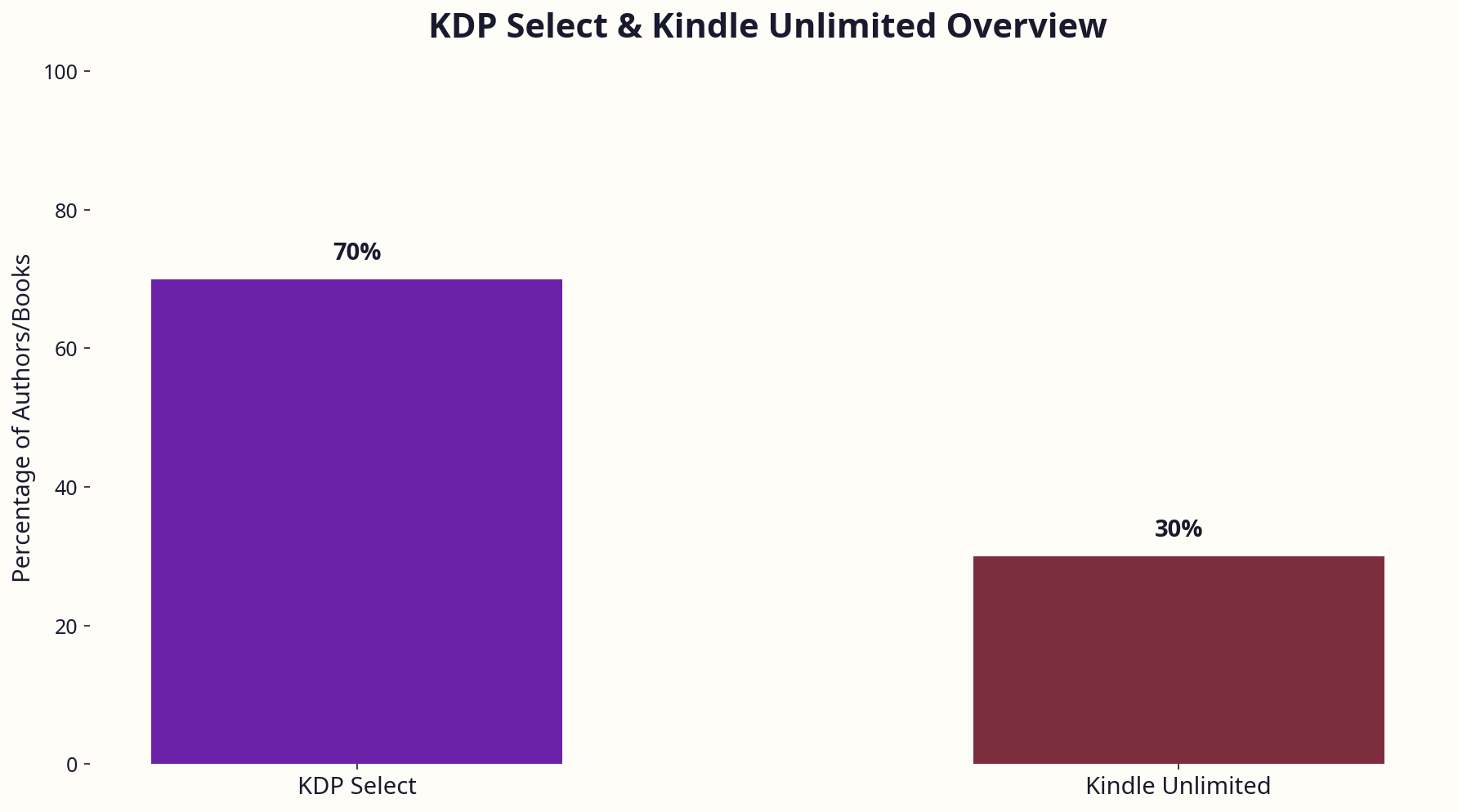
Kindle Unlimited is Amazon’s subscription-based ebook lending library. Readers pay a monthly fee (currently £7.99 in the UK as of early 2026) for unlimited access to eligible ebooks, and authors get paid per page read. However, participation in KU requires authors to enrol in KDP Select, Amazon’s exclusivity programme.
Key Terms to Understand:
- KDP Select: Enrolment programme requiring 90 days exclusivity on Amazon for your digital book.
- Kindle Edition Normalized Pages (KENP): The unit Amazon uses to calculate royalties based on pages read.
- Royalty Pool: Amazon allocates a monthly fund (the KDP Select Global Fund) from which KU authors are paid. Payments fluctuate based on the total pages read across all enrolled books.
- Exclusivity Clause: While your ebook is enrolled, you cannot distribute it digitally elsewhere (Apple Books, Kobo, etc.). Print formats are exempt.
From my experience, the exclusivity requirement is the biggest hurdle for UK authors who want to maintain a presence across multiple platforms. It’s a trade-off between KU’s potential reach and marketing flexibility. I consult for a billion-pound business that was struggling with the exact same issue—it was literally stopping them from scaling their back catalogue effectively.
Additional nuances UK authors should be aware of:
- The KDP Select Global Fund is paid out in USD, but UK authors receive royalties in GBP, subject to exchange rate fluctuations.
- Royalty payments occur approximately 60 days after the end of the month in which pages were read.
- Amazon’s reporting dashboard can lag, so plan marketing and budgeting accordingly.
Step-by-Step Guide to Kindle Unlimited Self Publishing
Getting your book into Kindle Unlimited involves several stages, from manuscript preparation to KDP dashboard setup. Here’s a detailed walkthrough with UK-specific notes:
1. Prepare Your Manuscript and Cover
Your manuscript must be meticulously formatted to meet Kindle’s requirements. This means:
- Clean, consistent paragraph styles (no double spaces or tabs).
- Proper chapter headings using Heading 1 styles for auto-TOC generation.
- Use fonts supported by Kindle (e.g., Georgia, Palatino). Avoid overused self-pub disasters like Papyrus.
- Ensure images are high resolution (300 dpi) and optimised for e-readers.
A UK-specific point: UK authors should carefully check spelling and grammar for British English, as Amazon’s Kindle Store defaults to the US dictionary. Using UK English localisation tools during editing helps avoid reader complaints or poor reviews related to language inconsistencies.
For the cover, Amazon requires a JPEG or TIFF file with a minimum of 1000 pixels on the longest side and an ideal ratio of 1.6:1. Professional covers in the UK typically cost £300-£600, but a poor cover can tank your KU success.
2. Create Your KDP Account
Sign up or log in to your Amazon KDP account at https://kdp.amazon.co.uk. The UK portal defaults to GBP for payments and pricing.
- Navigate to Sign up if new, or Sign in with your Amazon credentials.
- Complete tax information forms with UK-specific details to ensure correct royalty withholding.
- Link your UK bank account or international payment method for receiving royalties.
3. Upload Your Manuscript and Cover
In your KDP dashboard:
- Click “Create a New Kindle eBook” under Bookshelf.
- Fill in your book details: title, author name, description (optimised for Amazon SEO).
- Upload your formatted manuscript (preferably in DOCX or EPUB). EPUB is increasingly preferred due to better reflow support.
- Upload your cover file.
For UK authors, ensure your description includes keywords relevant to British readers, such as UK place names or cultural references, to improve visibility locally.
4. Enrol in KDP Select for Kindle Unlimited
During the setup, you’ll see an option to enrol your book in KDP Select. Tick this box to make your ebook eligible for KU.
- Confirm you understand the 90-day digital exclusivity requirement.
- Set your pricing. KU books typically range between £0.99 to £3.99 in the UK market. Pricing at £1.49 or £1.99 often hits a sweet spot for UK readers balancing affordability and perceived quality.
5. Select Territories and Rights
Choose worldwide rights if you own them; otherwise, select individual territories.
- If your book is UK-centric, you may limit territories to UK and Commonwealth countries to control rights and pricing better.
6. Preview and Publish
Use the Kindle Previewer tool within KDP to check how your ebook appears on various devices.
- On the KDP dashboard, after uploading files, click “Launch Previewer” to test formatting.
- Check for orphaned lines, image display issues, and clickable Table of Contents.
Click Publish when ready. Your book usually goes live within 24-72 hours.
7. Monitor Your KDP Reports
Once live, monitor your Kindle Unlimited Pages Read report to track earnings and reader engagement.
- On your KDP dashboard, select Reports > Kindle Unlimited (KU) / Kindle Owners’ Lending Library (KOLL).
- Review metrics weekly to inform marketing decisions.
- Amazon pays out monthly, typically 60 days after the end of the month in which pages were read.
UK-Specific Considerations
Many guides gloss over the distinct challenges and opportunities UK authors face with Kindle Unlimited. Here are some crucial points:
Pricing and Currency
Amazon UK operates in GBP, but the KDP Select Global Fund is pooled globally, paid in USD, and converted to GBP. This means fluctuating exchange rates can affect your royalties.
For example, a 5% drop in GBP against USD can reduce your take-home royalties by the same margin, which matters if you rely on KU income as a significant revenue stream.
ISBNs and Metadata
Amazon provides free ASINs but no ISBN for ebooks. For print copies, UK authors must purchase ISBNs from Nielsen Book Services:
- Single ISBN: £93
- Block of 10 ISBNs: £174
Using your own ISBNs (instead of free Amazon ones) preserves your publisher identity and control—vital for serious authors and those planning multiple formats.
A note on ISBN usage: If you want to sell print copies through UK bookstores or libraries, your book must have a valid ISBN from Nielsen. Amazon’s free ASINs cannot be used for this.
VAT and Tax Implications
Ebooks sold on Amazon UK are subject to digital VAT at 20%. Your royalties are reported as income, so authors must be aware of UK tax obligations. Consulting a tax advisor familiar with author income is recommended.
- You may need to register for self-assessment and declare your royalties as income.
- If you sell print books independently or via your own website, you must charge VAT accordingly.
Market Size and Competition
The UK self-publishing market is highly competitive, with a 68% growth over five years. Kindle Unlimited is popular, but saturation means authors must invest in marketing and professional presentation to stand out.
According to Nielsen BookScan (UK), self-published ebooks represent approximately 35% of all ebooks sold, with KU titles accounting for around 18% of that share in 2025.
Print vs Kindle Unlimited
Kindle Unlimited only covers ebooks, not print or audiobooks. UK authors often use print-on-demand services alongside KU to capture multiple market segments. This dual approach requires extra formatting care—something publishing.co.uk specialises in.
Print distribution considerations:
- UK readers still buy print books from Waterstones and independent bookshops, often via IngramSpark or local POD distributors.
- Libraries in the UK rarely lend ebooks via KU but do stock print editions, so having ISBNs and print copies is critical for wider reach.
Common Mistakes and How to Avoid Them
After formatting thousands of books and dealing with dozens of KU issues, I can confidently say these are the most frequent errors UK authors make:
1. Ignoring UK Market Nuances
Many UK authors blindly follow US-centric advice on pricing and marketing, leading to missed revenue or failed launches. For example, pricing at $0.99 may undercut UK reader expectations, who generally perceive higher prices as a sign of quality.
2. Overpaying Freelancers for Poor Formatting
Before launching Google. Panic. Repeat., I hired a formatter for £130 who delivered a chaotic manuscript wrecked with spacing and TOC errors. I later tried several Fiverr gigs that were equally bad. This is common and avoidable by using specialised UK-focused services.
3. Underestimating the Exclusivity Clause
Authors often publish wide (across Apple, Kobo, etc.) and enrol in KU simultaneously, violating exclusivity and risking removal.
4. Skimping on Cover Design
A subpar cover in the UK market can kill clicks faster than poor pricing. UK readers are discerning, and a poor cover can undermine even the best writing.
5. Neglecting Metadata and Keywords
Amazon’s internal search algorithm is merciless. Many authors fail to optimise their book description, keywords, and categories for the UK audience.
Bonus tip: Use UK-specific keywords and categories. For example, “British crime thriller” rather than just “crime thriller” can help you reach a more targeted audience.
Tools and Resources for UK Authors
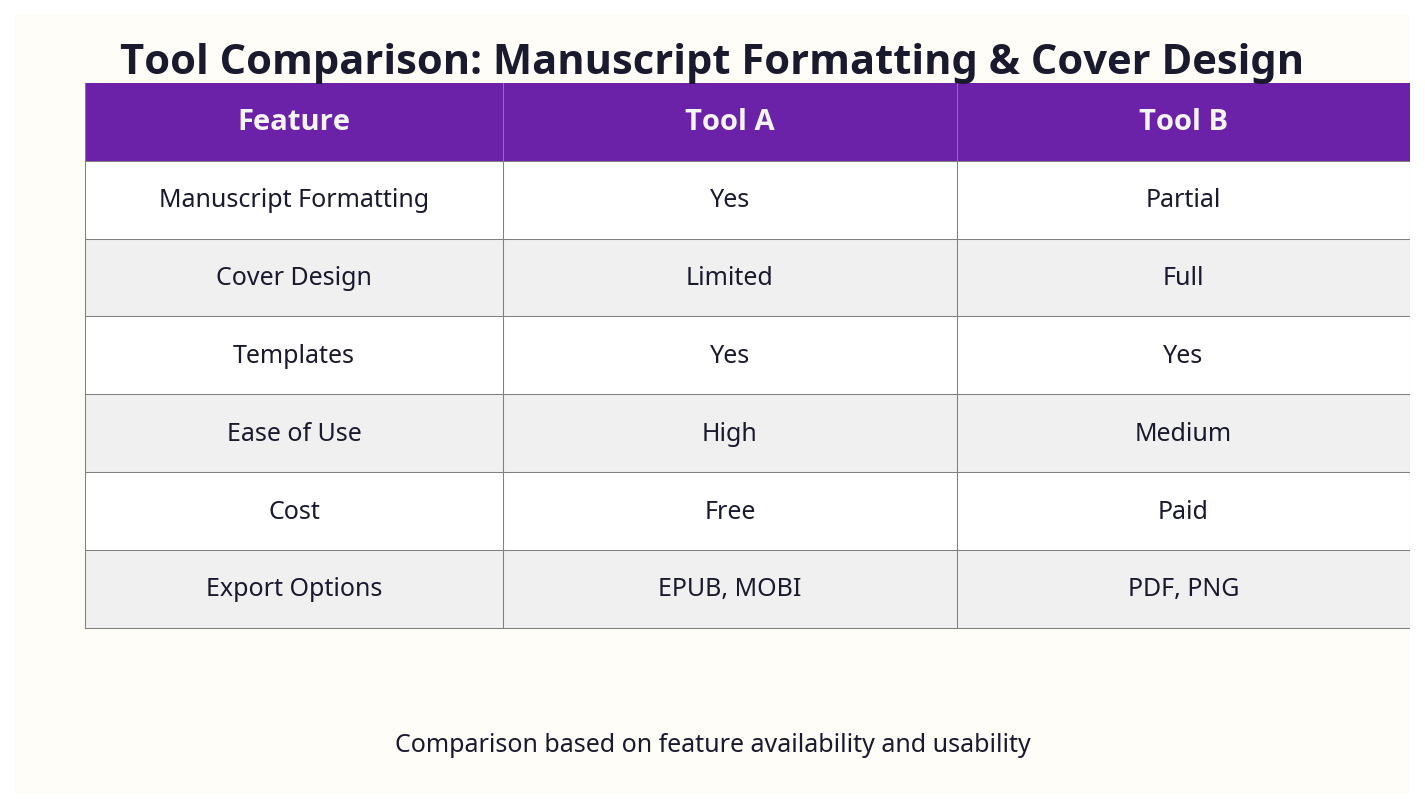
Technology can ease the KU self-publishing grind if used correctly. Here are some recommended tools and where they fit in your process:
Manuscript Formatting
- Microsoft Word: Still the most common tool. Use Layout > Margins > Custom Margins to set trim size and gutter.
- Vellum: Mac-only, expensive but excellent for formatting. Not UK-specific but widely used.
- Calibre: Free, open-source ebook converter, but requires a learning curve.
- publishing.co.uk: UK-focused automated formatting service optimised for KDP and Print-on-Demand, saving hours of frustration.
Cover Design
- Canva Pro: Affordable and accessible but limited to DIY.
- Professional UK Designers: Expect to pay £300-£600 for covers tailored to UK markets.
Marketing and Keywords
- Publisher Rocket: Useful for keyword research but US-centric.
- Kindlepreneur’s Free Resources: Good for Amazon SEO basics.
- LoveReading.co.uk: UK-specific book review and recommendation platform—useful for targeted marketing.
Tax and Accounting
- QuickBooks UK: Useful for managing author income and VAT.
- HMRC’s Self Assessment Portal: Vital for submitting tax returns.
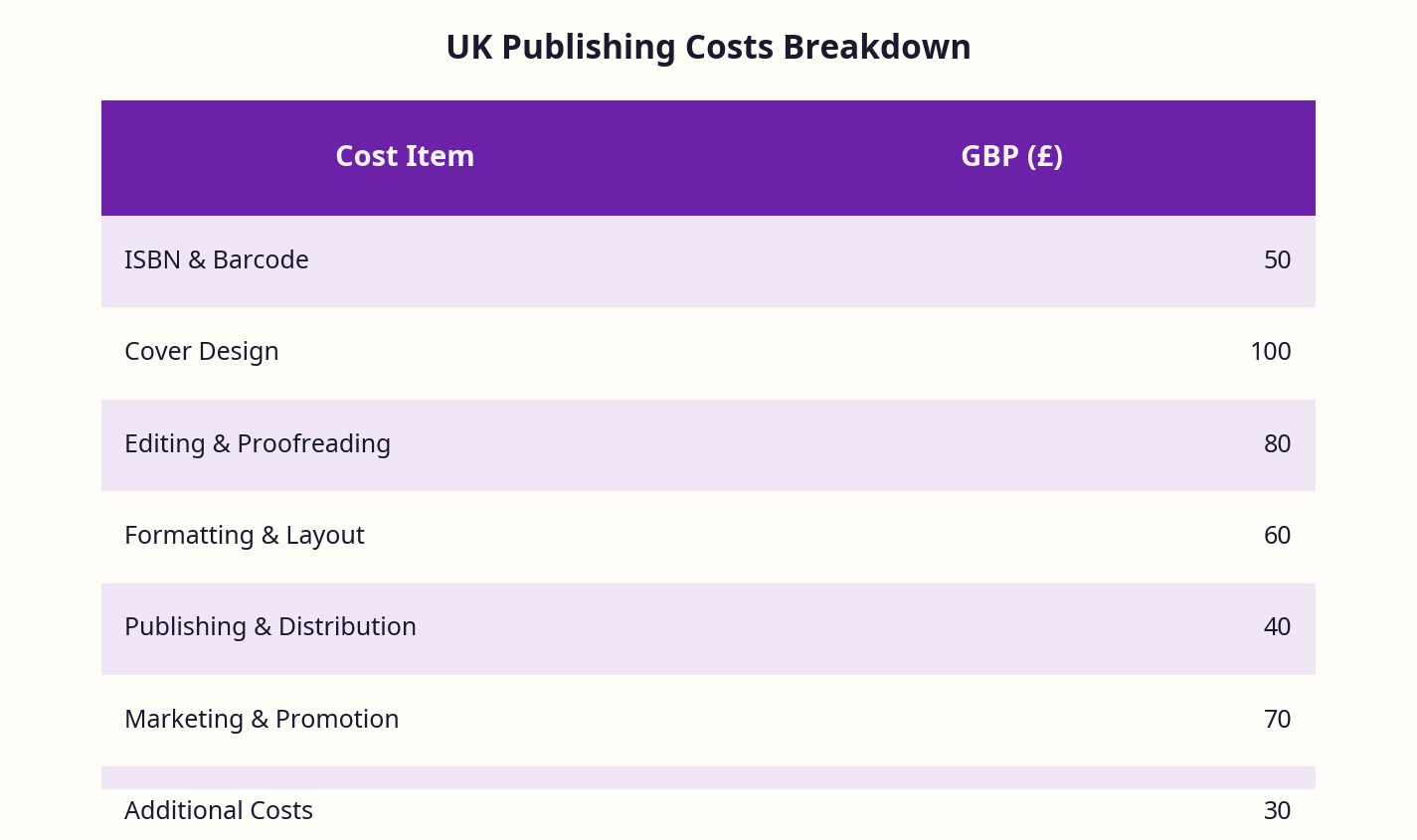
Cost Breakdown: Real UK Pricing for Kindle Unlimited
Publishing on Kindle Unlimited is often assumed to be free, but the reality is nuanced. Here’s a realistic UK author’s cost breakdown:
| Expense | Typical Cost (GBP) | Notes |
|---|---|---|
| ISBN (Single) | £93 | Only for print copies; ebooks get ASINs from Amazon |
| ISBN (Block of 10) | £174 | Economical for multiple titles |
| Professional Cover Design | £300 - £600 | Essential for competitive UK market |
| Professional Formatting | £80 - £150 | UK-focused services like publishing.co.uk avoid rework |
| Marketing Budget | £100 - £500+ | Amazon Ads, giveaways, UK review sites |
| VAT on Royalties | Variable | Digital sales subject to 20% VAT |
Hidden Costs: Time spent troubleshooting formatting issues, correcting KDP rejections, and managing metadata—all can add days or weeks of lost productivity.
Exchange Rate Impact: Remember that royalties are paid in USD and converted to GBP; a fluctuating exchange rate can affect your actual earnings by ±5-10% annually.
[IMAGE CALLOUT: UK pricing breakdown table highlighting ISBN, cover, and formatting costs]
Comparison with Alternative Approaches
While Kindle Unlimited is a popular choice, it’s not the only self-publishing route. Here’s a brief comparison relevant to UK authors:
| Approach | Pros | Cons | UK Market Notes |
|---|---|---|---|
| Kindle Unlimited (KDP Select) | Access to millions of KU subscribers, monthly royalties per page read, integrated with Amazon’s ecosystem | 90-day exclusivity clause limits distribution, variable royalty pool, US-centric interface | Strong UK market presence but saturated; requires strategic pricing (£0.99–£3.99) |
| Wide Distribution (Apple Books, Kobo, Google Play, etc.) | Broader market reach, no exclusivity, control over pricing | No KU royalties, more complex marketing, fragmented reporting | Apple Books and Kobo have notable UK audiences; Apple Books particularly popular on iPads |
| Print-on-Demand & Audiobooks | Captures physical readers and audiobook market, expands overall sales | Higher upfront costs, requires ISBNs and formatting, different marketing | UK print market remains strong with Waterstones and independents; audiobook growth is significant but niche |
| Traditional Publishing | Professional support, wider distribution, advances | Less control, slower timelines, smaller royalties | UK traditional market shrinking but still relevant for certain genres and authors |
Personal anecdote: When I first published, I tried KU exclusivity and wide distribution simultaneously—an error that led to Amazon removing my book from KU for a month. Since then, I stagger releases and use KU for 90-day bursts, then go wide, a hybrid strategy that suits UK authors balancing reach and revenue.
Real-World UK Case Studies
Case Study 1: Sarah J – Crime Thriller Author
Sarah, a UK-based crime writer, enrolled her debut novel exclusively in KU. She priced her book at £1.99 and invested £450 in a professional cover and £120 in formatting. Within three months, her pages read in KU reached 40,000, generating approximately £900 in royalties after exchange rates and VAT.
Key takeaways:
- Pricing at £1.99 matched UK reader expectations.
- Investing in a professional cover paid off in higher conversion rates.
- Exclusivity limited her reach initially but boosted KU rankings.
Case Study 2: James T – Historical Fiction Author
James opted for wide distribution from day one, avoiding KU. He purchased 10 ISBNs from Nielsen (£174) to maintain control over print and ebook editions and used IngramSpark for UK print distribution.
Results:
- Moderate ebook sales across Apple Books and Kobo.
- Print sales at local UK bookshops and libraries.
- Lower digital royalties but diversified income streams.
James plans to enrol in KU selectively for future titles after building his brand.
Case Study 3: Emma L – Non-fiction Author
Emma self-published a UK-specific business guide and used KU exclusively. She tracked KU pages read closely and adjusted marketing campaigns monthly. She also used publishing.co.uk for formatting and professional UK cover design.
Lessons:
- Detailed monitoring of KU reports helped optimise ad spend.
- Using UK-focused services saved time and prevented costly errors.
- Regular price testing between £1.49 and £2.49 maximised revenue.
Expert Tips from 25 Years in eCommerce and Publishing
Having spent decades scaling eCommerce brands and working with major UK retailers and publishers, here’s what I advise UK authors on Kindle Unlimited:
Treat Your Book Like a Product
Your ebook is a digital product competing globally. This means investing in professional presentation, optimising keywords, and continually analysing sales data.
Avoid Cheap Fiverr Formatters
I learned this the hard way. The false economy of a £5 gig often costs more in lost sales and stress. UK authors benefit from specialised services like publishing.co.uk that understand Amazon’s quirks and UK market demands.
Price Strategically for the UK Market
Beware of US pricing norms. £0.99 is a common KU entry price in the US, but UK readers often perceive higher prices as better quality. Test prices between £1.49 and £2.99 for new authors.
Monitor the KDP Select Fund Closely
Amazon’s monthly royalty pool fluctuates. Track your pages read and adjust marketing accordingly. KU is not a passive income; it demands active management.
Leverage Print-on-Demand
Don’t put all your eggs in KU’s basket. Print copies remain popular in the UK, especially in local bookshops and libraries. Coordinating print and digital launches with consistent metadata is key.
Use UK-Specific Metadata and Keywords
Optimise your book description and keywords for British English and UK cultural references. This improves discoverability on Amazon UK and helps your book resonate with your primary audience.
Beware of VAT and Tax Obligations
Keep accurate records of your royalty income and consult a tax advisor. VAT on digital sales impacts your net income, and you must report earnings properly under UK laws.
Frequently Asked Questions
What is the most common mistake UK authors make with Kindle Unlimited self publishing?
Failing to account for the 90-day exclusivity clause while simultaneously distributing ebooks on other platforms, leading to Amazon removing their book from KU.
How much does Kindle Unlimited self publishing cost in the UK?
Direct costs can be low if you DIY, but professional ISBNs cost £93 each for print, covers £300-£600, formatting around £80-£150, plus marketing. Hidden costs include time and lost sales due to poor formatting.
What tools do UK authors recommend for Kindle Unlimited self publishing?
Microsoft Word for manuscript prep, publishing.co.uk for formatting, Canva Pro or UK professional designers for covers, and LoveReading.co.uk for marketing and reviews.
How long does the Kindle Unlimited self publishing process typically take?
From manuscript finalisation to live publication, expect 1-2 weeks if you have professional formatting and covers ready. DIY efforts often extend this to 4+ weeks.
Can I handle Kindle Unlimited self publishing myself or should I hire a professional?
You can do it yourself but expect technical headaches. Hiring professionals, especially UK-focused services familiar with Amazon’s quirks and UK market specifics, saves time and reduces errors.
What are the UK-specific requirements for Kindle Unlimited self publishing?
You must price in GBP, consider VAT on royalties, purchase Nielsen ISBNs for print editions, and understand Amazon UK’s market dynamics and reader expectations.
How do exchange rates affect my Kindle Unlimited royalties?
Royalties are paid in USD and converted to GBP, so fluctuations in exchange rates can impact your earnings by as much as 5-10%. Monitor rates and consider this when budgeting.
Is it better to enrol my book in KU exclusively or distribute widely?
It depends on your goals. KU provides access to a large subscriber base but requires exclusivity. A hybrid approach—using KU for 90-day bursts then going wide—can balance reach and revenue in the UK market.
Publishing a book on Kindle Unlimited from the UK is a promising but demanding endeavour. The landscape is littered with traps for the unwary—outdated advice, US-centric pricing, and hidden costs. But with the right approach, professional help, and a clear understanding of the UK market, KU can be a powerful channel to reach millions of readers.
If you want to avoid the formatting nightmares I faced with Google. Panic. Repeat., consider the benefits of an automated UK-focused formatting service like publishing.co.uk. It’s the difference between hours lost and hours gained to focus on what truly matters: writing and marketing your book.
About the Author
Robert Prime is a best-selling self-published author, veteran eCommerce strategist, and the founder of publishing.co.uk. With over 25 years of experience in digital business and 15 successful exits, he brings a battle-tested perspective to the publishing industry. After experiencing firsthand the archaic, headache-inducing process of formatting a KDP-compliant book for his own best-seller, Google. Panic. Repeat., Robert built publishing.co.uk to solve the problem for other authors. He is also a co-owner of the LoveReading.co.uk network (the UK’s largest book review platform), founder of the Amazon growth agency MrPrime.com, and a member of the Forbes Business Council.
This article is intended to empower UK authors with practical, actionable knowledge to navigate the complexities of Kindle Unlimited self-publishing successfully.