Why Is My KDP Book Not Selling? A Diagnosis Guide
By Robert Prime
Last reviewed by Robert Prime — March 2026
Table of Contents
- Introduction
- What You Need to Know Before Starting
- Step-by-Step Guide to Diagnose and Fix a KDP Book Not Selling
- UK-Specific Considerations for KDP Authors
- Common Mistakes and How to Avoid Them
- Tools and Resources to Optimise Your KDP Book
- Cost Breakdown: What UK Authors Should Expect
- Expert Tips from 25 Years in eCommerce and Publishing
- Real-World Case Studies and Examples
- Frequently Asked Questions
Introduction
If you’ve published your book on Amazon Kindle Direct Publishing (KDP) and it’s not selling, you’re in the majority of UK authors facing this challenge. The self-publishing landscape in Britain is booming but fiercely competitive, and the difference between success and obscurity often boils down to mastering a complex ecosystem few understand fully.
When I was formatting Google. Panic. Repeat., I naively assumed writing was the toughest part. Instead, the real challenge was navigating Amazon’s technical requirements, formatting quirks, and marketing algorithms. I wasted over £130 on a freelancer whose formatting was riddled with errors that delayed launch and frustrated me for weeks. Only when I took control of every detail—from ISBN procurement to pricing strategy—did sales begin to pick up.
This comprehensive guide draws on my 25 years in eCommerce and UK publishing, including my work with the LoveReading.co.uk network (the UK’s largest book review platform) and my Amazon growth agency MrPrime.com, to give you the practical, business-oriented advice you need. I’ll cover not just the basics but also UK-specific costs, ISBN realities, pricing nuances, alternative strategies, and real examples from British authors who have been through it all.
What You Need to Know Before Starting
The UK Market Landscape
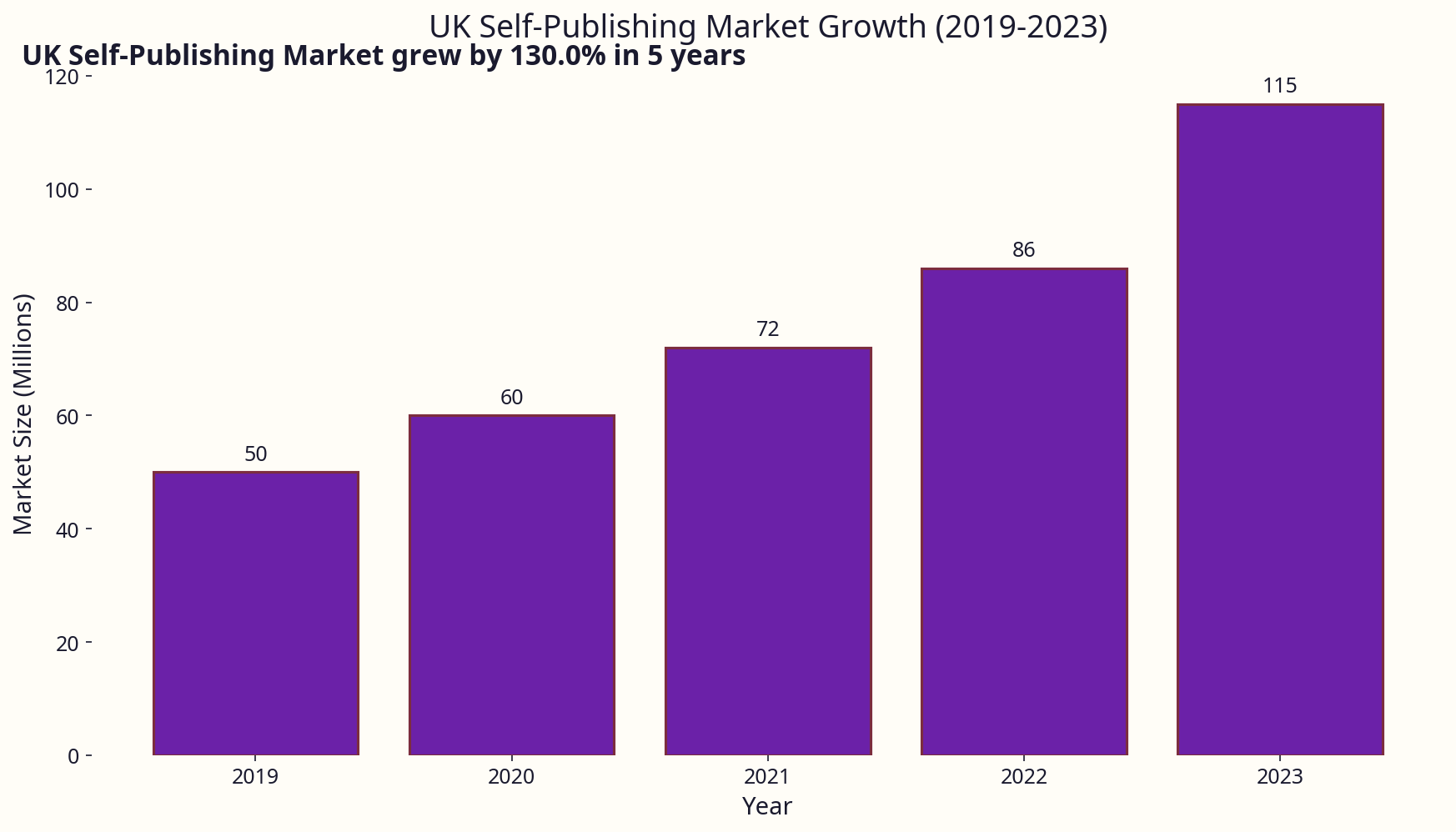
In 2023, the UK book market pulled in around £7.1 billion in revenue. Self-publishing has grown by 68% over five years, with over 750,000 titles now competing for attention. This explosive growth means discoverability is the biggest challenge for new authors.
Amazon’s UK marketplace is not just a sales platform but a complex algorithmic ecosystem prioritising sales velocity, reviews, metadata precision, and category relevance. A slow start or technical slip-up can result in your book becoming invisible.
ISBNs: The UK Reality
Unlike the US, where Bowker handles ISBNs relatively affordably, UK authors must buy them through Nielsen Book Services. The cost is steep: £93 for a single ISBN, or £174 for a block of 10. While KDP offers free ISBNs, they list Amazon as the publisher, which impacts your author brand and limits distribution options in UK bookstores and libraries.
Many UK authors overlook this, which can hurt long-term growth. Having a Nielsen ISBN also allows you to embed the correct EAN-13 barcode required for retail sales in the UK, a detail Amazon’s free ISBNs skip.
Pricing Sensitivity and VAT
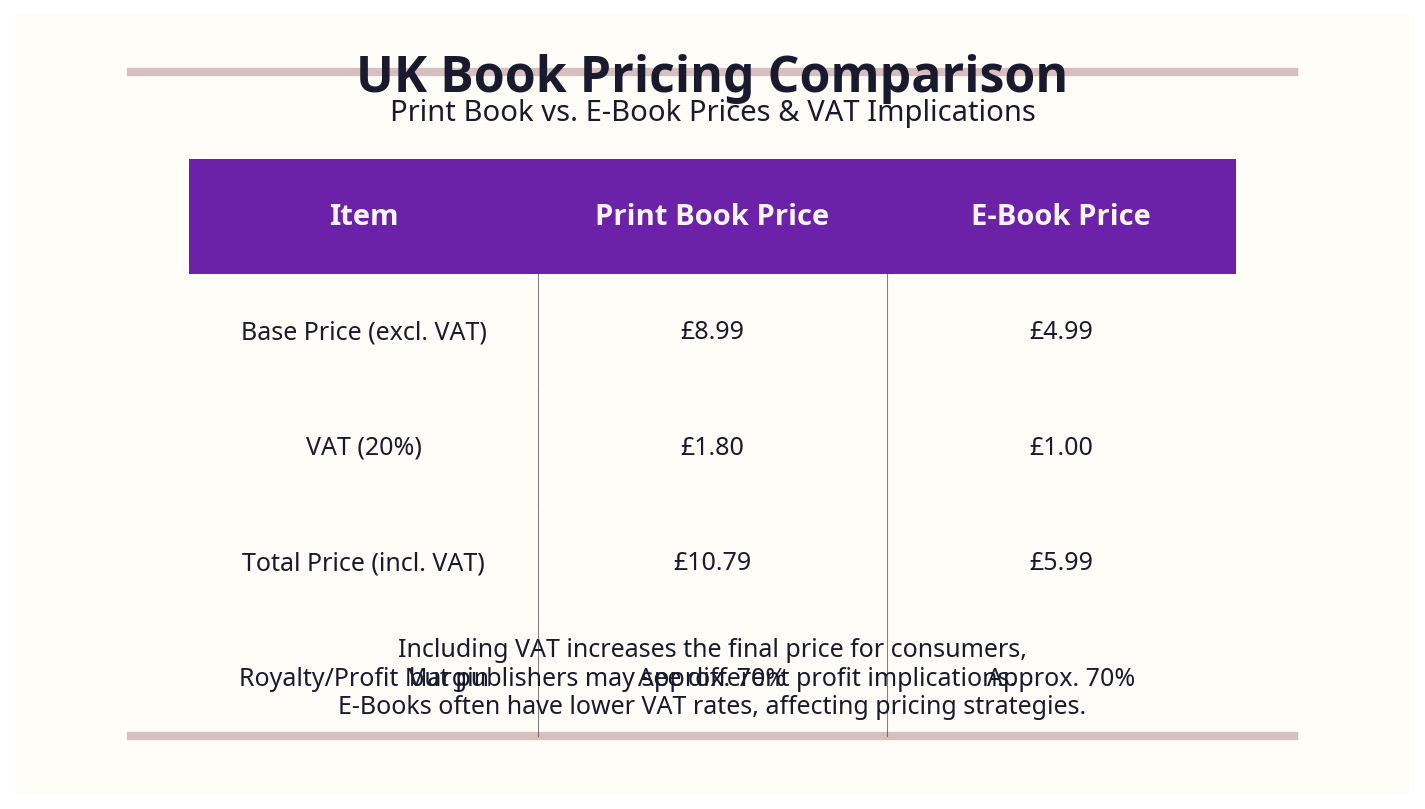
UK buyers are price conscious but expect quality signals. Paperbacks generally sell best between £7 and £12, while ebooks usually perform well priced between £1.99 and £4.99.
Be mindful that print books are zero-rated for VAT in the UK, but ebooks can be subject to complex VAT rules depending on where and how they are sold, which affects your royalties and pricing strategy.
Step-by-Step Guide to Diagnose and Fix a KDP Book Not Selling
1. Verify Your Book’s Formatting and Technical Compliance
Formatting errors are the silent killers of sales. Readers won’t forgive a poor reading experience, and Amazon may even reject your book or suppress it in search results.
- Print books: Check your trim size matches exactly between cover and interior. KDP recommends 6x9 inches (15.24x22.86 cm) for most UK paperbacks but adjust to your genre norms.
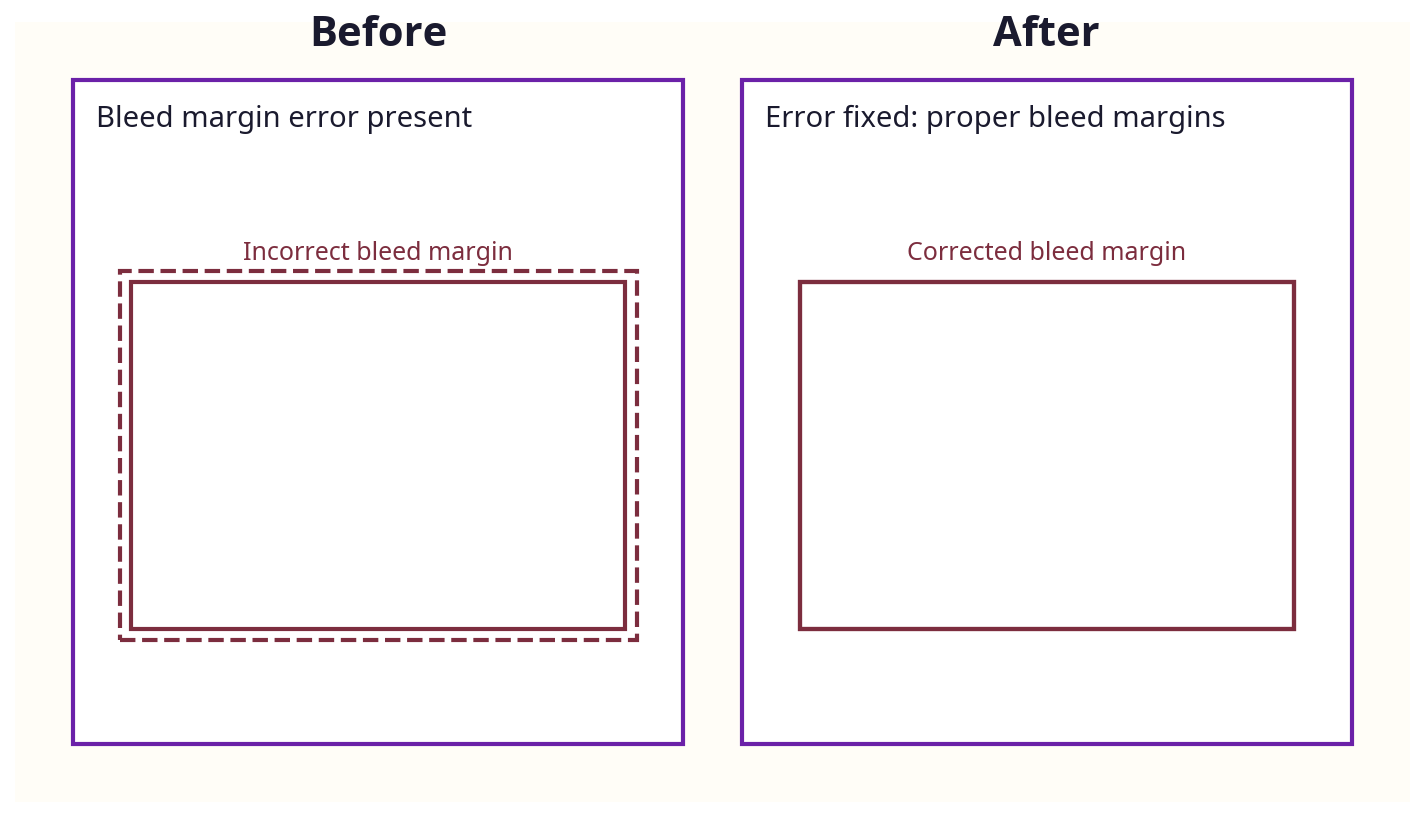
- Margins and Bleed: Use Microsoft Word’s Layout > Margins > Custom Margins to avoid text or images being cut off. Set inside margins wider for paperback to allow for binding.
- Fonts: Avoid cringe-worthy fonts like Papyrus or Comic Sans. Stick to professional, readable fonts like Garamond, Georgia, or Baskerville.
- File validation: Use Amazon’s Kindle Previewer (download from kdp.amazon.com) to simulate how your book looks on Kindle devices and apps. For print, validate your PDF with Adobe Acrobat Pro’s preflight tool.
- EAN-13 Barcode: If you’re using a Nielsen ISBN, you must generate and embed the correct barcode on your cover. There are free online barcode generators tailored for UK ISBNs.
Pro tip: I once spent 3 days fixing a bleed issue on a paperback that caused white lines on the edges—readers noticed and reviews suffered. Get this right before launch.
2. Audit Your Metadata and Keywords
Metadata is your book’s discoverability engine on Amazon.
- Title & Subtitle: Make it clear and keyword rich but natural. For example, not just “Thriller Novel” but “London Noir Thriller: A Detective Smith Mystery”.
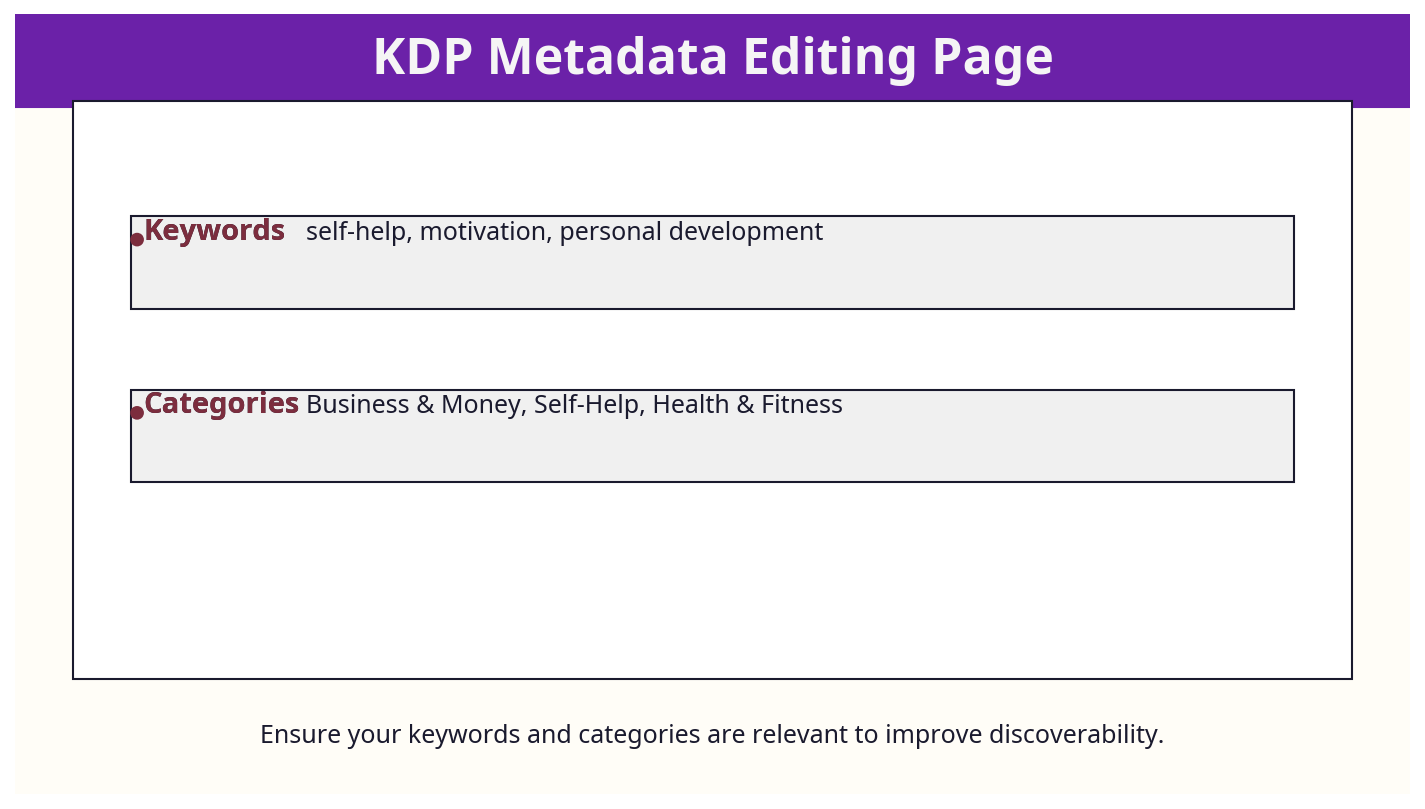
- Keywords: Amazon allows 7 keyword slots; use all of them with relevant UK search terms. Use Amazon’s search bar suggestions or tools like Publisher Rocket to find high-traffic keywords.
- Categories: Choose two categories that fit precisely. Use KDP’s Category Selector to pick UK-centric categories if available.
- Description: Write a compelling, benefit-driven description using HTML formatting (bold, italics, line breaks). Front-load keywords naturally.
Menu path: From your KDP Bookshelf, click your book title > Click Edit eBook Details > Scroll to Book Title, Subtitle, Description, Keywords, Categories.
3. Review Your Pricing Strategy
Pricing is a delicate balance in the UK market. Price too high, and you kill impulse buys; too low, and you devalue your book.
- Check competitors in your genre on Amazon UK. See what’s selling and at what price.
- Consider enrolling in KDP Select for access to promotional tools like Kindle Countdown Deals or Free Promotions.
- Choose your royalty wisely: 70% royalty applies between £1.99 and £7.99 for ebooks; outside this, you default to 35%. For print, royalties are 60% minus printing costs.
- Test pricing changes monthly and track sales impact via KDP Reports.
4. Assess Your Cover Design and Branding
A professional cover is the single biggest factor influencing clicks and conversions.
- UK professional designers typically charge £300–£600. It’s worth it.
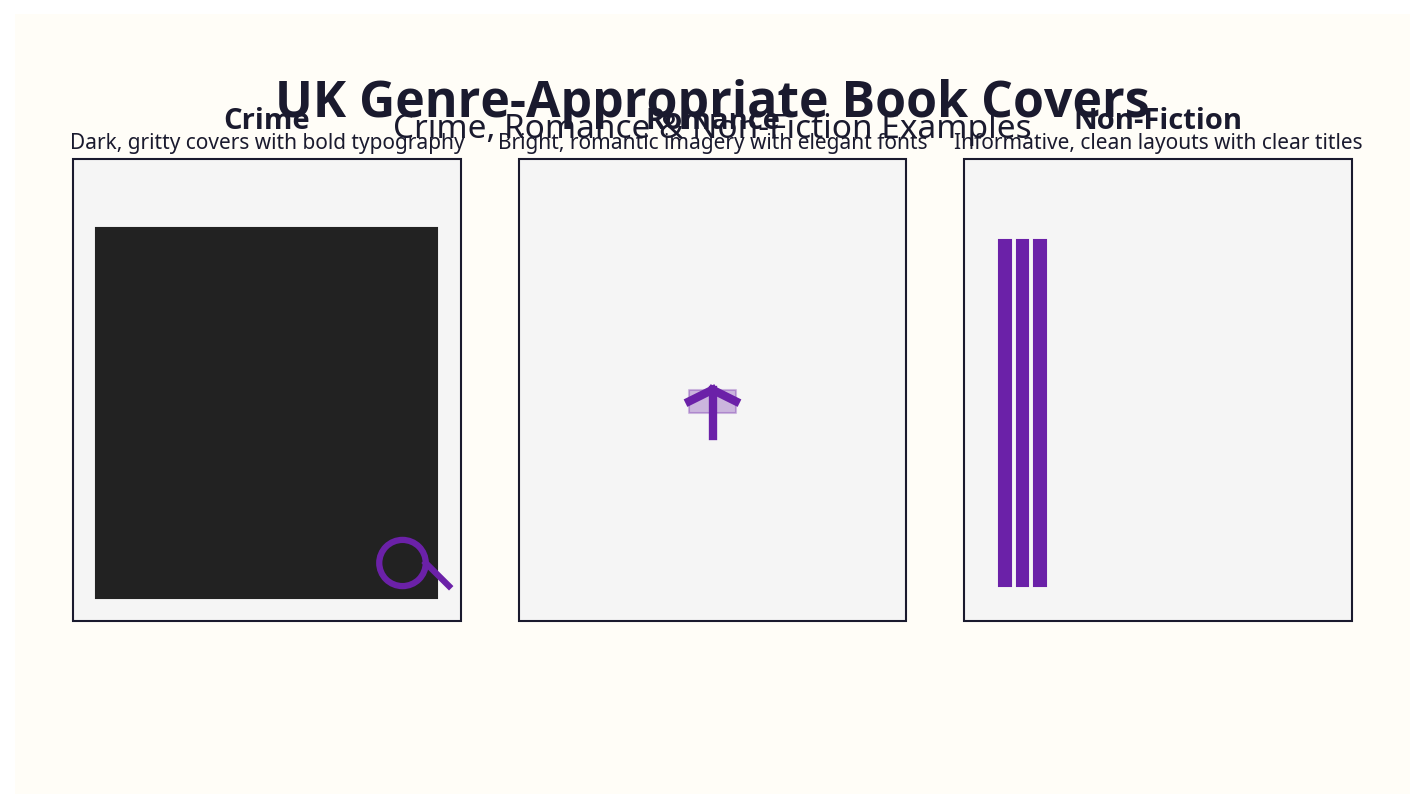
- Your cover should convey the genre at a glance—e.g., crime fiction readers expect gritty urban imagery; romance readers prefer softer, emotive visuals.
- Avoid DIY covers unless you have graphic design experience. I once bought a £50 Fiverr cover that looked amateurish and hurt sales badly.
Menu path: Upload cover under KDP Bookshelf > Edit Paperback Details or Edit eBook Content > Scroll to Cover > Upload your file.
5. Evaluate Your Launch and Marketing Efforts
No book sells itself.
- Develop an email list before launch. Engage with UK readers via newsletters or social media (Facebook groups, Twitter, Instagram).
- Use Amazon Advertising but start small (£5/day), targeting UK audiences and relevant keywords.
- Network with UK-based book bloggers and reviewers. Sites like LoveReading.co.uk are invaluable for UK-centric promotion.
- Seek honest early reviews from local beta readers or book clubs.
6. Monitor Sales Performance and Adjust
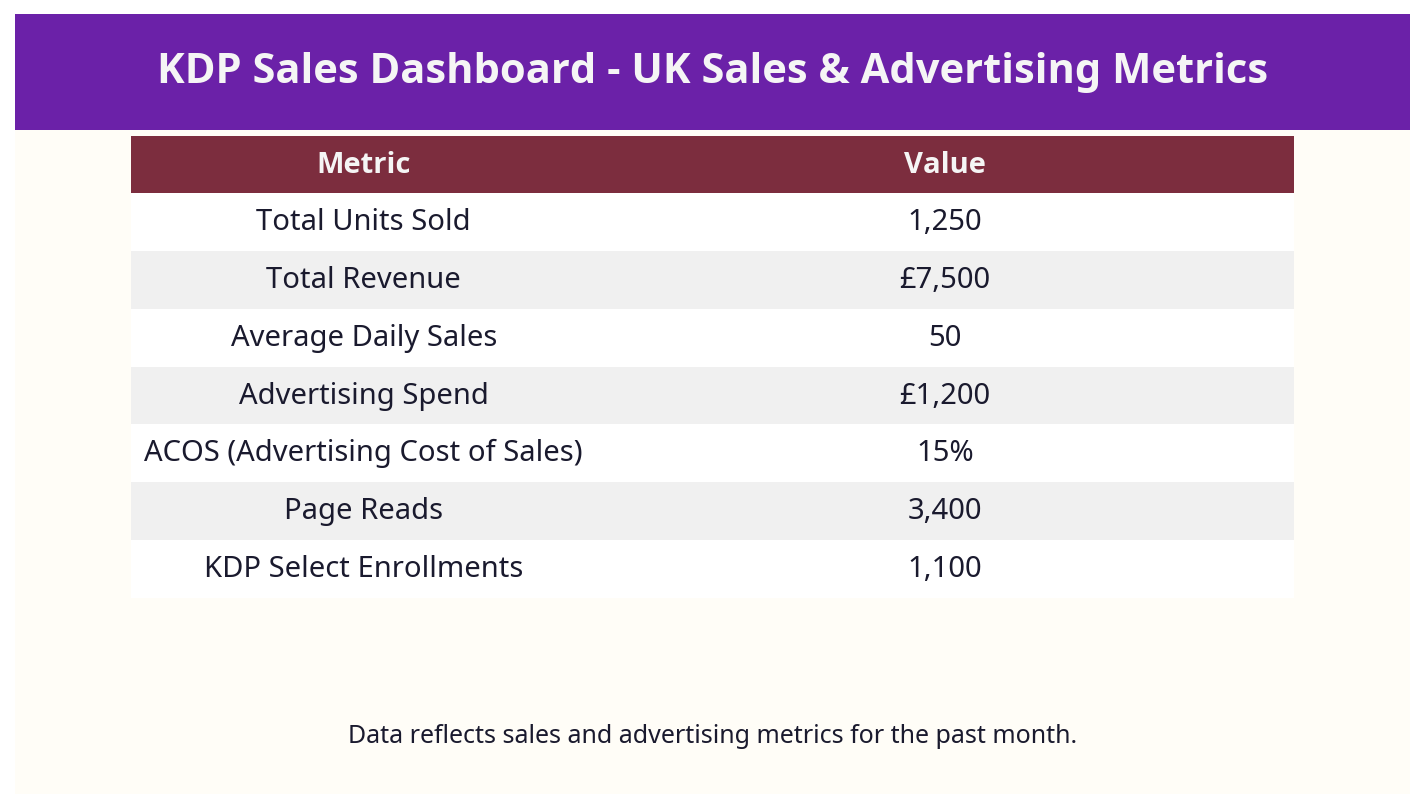
Use KDP’s Reports dashboard to track:
- Daily and monthly sales
- Royalties earned by marketplace (UK, US, etc.)
- Advertising campaign performance
If sales stall:
- Update your description or cover based on feedback.
- Adjust pricing or try a discounted promotion.
- Rework metadata and keywords.
Consistency and iteration are key.
Menu path: From KDP dashboard, click Reports > Choose Sales Dashboard or Advertising Reports.
UK-Specific Considerations for KDP Authors
ISBN and Publishing Identity in the UK
Using Amazon’s free ISBN may seem cost-effective, but it makes Amazon the publisher on record. This impacts your ability to distribute beyond Amazon, like local bookshops or libraries, which often require an ISBN registered to the author or imprint.
Nielsen Book Services is the UK’s official ISBN agency. Costs:
- Single ISBN: £93
- Block of 10 ISBNs: £174
If you plan multiple titles or editions, the block is a better investment. Once you have your Nielsen ISBN, you must order a matching barcode (EAN-13). This barcode is scanned in UK retail and is required by distributors.
VAT and Pricing Nuances
While print books are zero-rated for VAT in the UK, ebooks are subject to VAT based on the buyer’s country. This VAT complexity means your net royalties on ebooks are often lower than expected.
Pricing your ebook at £1.99 to £4.99 is generally optimal, but consider how VAT reductions affect your bottom line.
Market Positioning and Cultural Expectations
UK readers often prefer subtlety in cover design and marketing tone. For example:
- Romance covers tend to avoid overtly explicit imagery common in US markets.
- Non-fiction UK readers expect clear credentials and UK-relevant examples or case studies.
- Historical fiction must be accurate and often references UK-centric history or locations.
Tailoring your book to UK sensibilities can improve reviews and word-of-mouth.
Distribution Beyond KDP
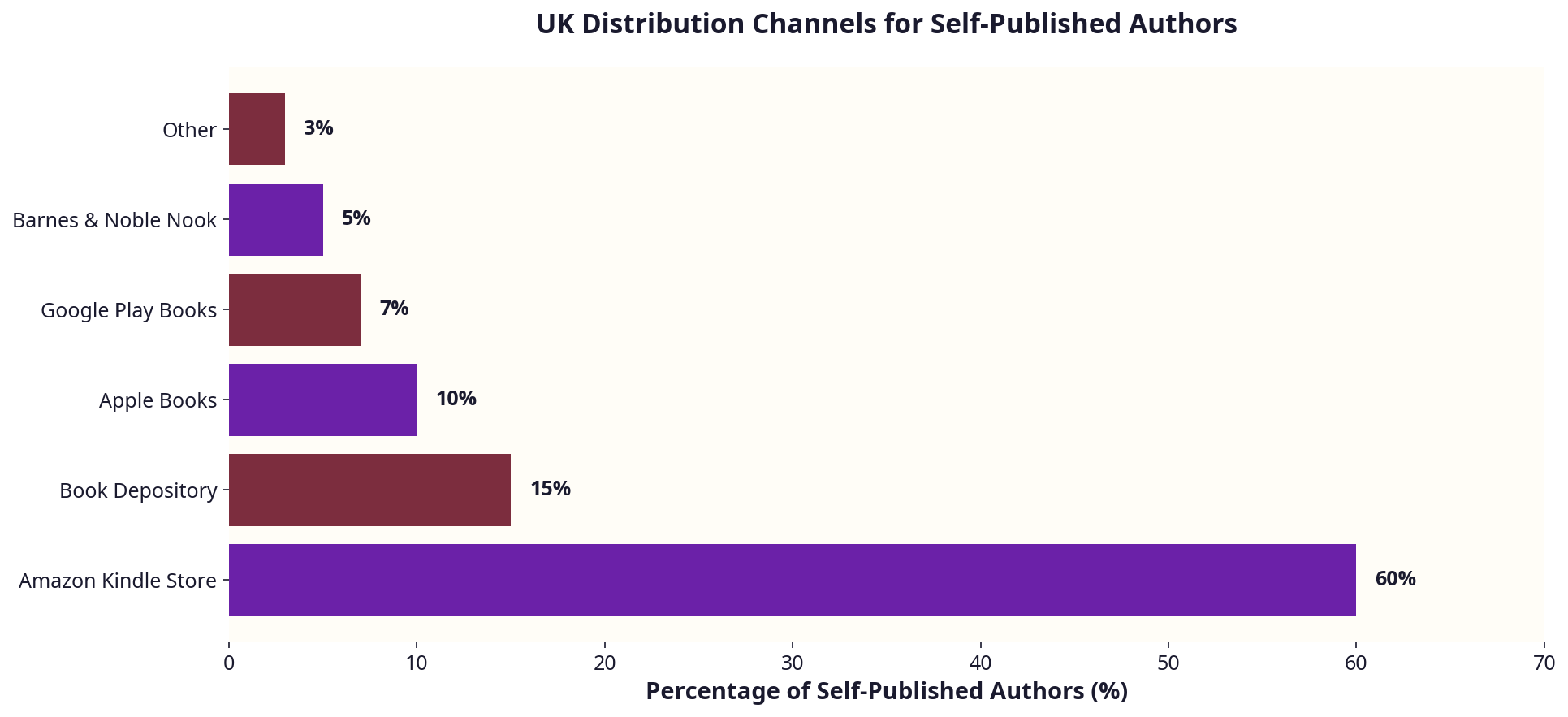
KDP’s Expanded Distribution offers access to some bookshops and libraries, but it’s limited. UK authors wanting wider physical distribution should:
- Use their own ISBN (Nielsen)
- Consider print-on-demand services like IngramSpark or local UK printers
- Partner with local indie bookstores or library services for events and consignment
Common Mistakes and How to Avoid Them
Mistake 1: Relying on Low-Cost Formatting Services
Before building publishing.co.uk, I hired a so-called ’expert’ formatter for £130. The result? Numerous formatting errors that delayed launch and caused negative reviews. Fiverr gigs often cut corners or recycle templates.
Avoidance: Use trusted UK-based formatting services like publishing.co.uk or learn formatting basics yourself with Kindle Create or Scrivener.
Mistake 2: Ignoring Metadata
Many authors rush to publish without optimising keywords, categories, and descriptions. This kills discoverability.
Avoidance: Spend days researching and tweaking metadata. Use Amazon’s autocomplete and tools like Publisher Rocket focussed on the UK market.
Mistake 3: Skimping on Cover Design
DIY or cheap covers drive readers away before they read a word.
Avoidance: Budget £300–£600 for a professional UK cover designer who understands genre conventions and Amazon’s thumbnail requirements.
Mistake 4: Neglecting Marketing
Expecting organic sales on Amazon’s crowded marketplace is unrealistic.
Avoidance: Build an email list pre-launch, run targeted Amazon ads, engage with UK book bloggers, and participate in local literary events.
Mistake 5: Underestimating Formatting Complexity
Formatting is not just about Word docs. It involves bleed, margins, font embedding, file type conversions, and barcode integration.
Avoidance: Use Amazon’s Kindle Previewer extensively and get professional help if needed.
Tools and Resources to Optimise Your KDP Book
| Tool / Service | Purpose | UK Relevance & Notes |
|---|---|---|
| Kindle Previewer | Preview eBook formatting | Free; essential for checking Kindle device compatibility |
| KDP Reports Dashboard | Monitor sales and ad performance | Directly from Amazon; UK sales data included |
| Google Keyword Planner | Keyword research | Useful for general keyword trends, supplement with Amazon autocomplete |
| Publisher Rocket | Amazon keyword and category research | Paid tool; includes UK-specific data and competitor analysis |
| publishing.co.uk | Automated UK-specific formatting | Tailored services including Nielsen ISBN support and barcode integration |
| LoveReading.co.uk | UK book review platform | Connect with British readers and reviewers; great for local marketing |
| IngramSpark | Print-on-demand & distribution | For wider UK and international print distribution beyond KDP |
| Canva / Adobe InDesign | Cover design tools | DIY options; recommended only if you have design skills |
[IMAGE CALLOUT: Comparison chart of formatting and distribution tools with UK-specific features]
Cost Breakdown: What UK Authors Should Expect
| Expense Category | Typical Cost (GBP) | Notes |
|---|---|---|
| ISBN (single) | £93 | Nielsen Book Services; necessary for retail and library distribution |
| ISBN Block (10) | £174 | Recommended if publishing multiple titles |
| Professional Cover Design | £300 - £600 | Crucial investment; impacts sales heavily |
| Formatting Service | £100 - £300 | Automated UK-specific services like publishing.co.uk save time and ensure compliance |
| Proof Copies (print) | £5 - £15 per copy | Order before launch to verify print quality |
| Amazon Advertising | £50+ monthly (variable) | Start small; test and optimise campaigns |
| Marketing & PR | £0 - £500+ | Includes outreach to UK bloggers, social media ads, and events |
| Barcode Generation | £10 - £20 | For embedding EAN-13 barcode on print covers (if not included by cover designer) |
[IMAGE CALLOUT: Pie chart illustrating typical UK self-publishing costs]
Expert Tips from 25 Years in eCommerce and Publishing
- Treat Your Book Like a Product: Track every metric—sales, reviews, advertising ROI—and optimise continually.
- Invest in Professional Formatting: When I launched Google. Panic. Repeat., poor formatting delayed growth. Automated UK services like publishing.co.uk remove this bottleneck.
- Master the Metadata: UK-specific keywords and categories are your best free marketing tool. Don’t rush this step.
- Build Your Author Brand: Local engagement and an active platform matter in the UK market. Join literary festivals, online groups, and local book clubs.
- Pricing is Strategic: Test different price points. UK readers are price sensitive but willing to pay more for quality signals like professional covers and strong reviews.
- Iterate Your Launch: Very few books succeed instantly. Use data to tweak cover, description, and marketing.
Real-World Case Studies and Examples
Case Study 1: A London Crime Thriller
A UK author initially priced their paperback at £15, above the £7–£12 sweet spot. Sales stalled despite good reviews. After dropping the price to £9.99 and reworking metadata with UK region-specific keywords like “London detective thriller,” sales tripled within a month.
Lesson: UK buyers have clear price expectations; metadata localisation matters.
Case Study 2: Historical Non-Fiction Author
An author used Amazon’s free ISBN and attempted expanded distribution via KDP. UK libraries and bookstores refused to stock the book due to publisher listing as Amazon. After purchasing Nielsen ISBNs and reprinting via IngramSpark, physical distribution increased by 40%, resulting in local bookshop events and additional sales.
Lesson: Control over your publishing identity is key for UK retail penetration.
Case Study 3: Romance Author’s Cover Revamp
A romance author’s initial DIY cover received poor feedback for being too explicit for UK tastes. After hiring a UK-based professional designer who softened the imagery and added UK cultural cues, download rates increased by 60% within 6 weeks.
Lesson: Understand UK genre conventions and tailor covers accordingly.
Frequently Asked Questions
1. Why should UK authors avoid Amazon’s free ISBNs?
Using Amazon’s free ISBN means Amazon is listed as the publisher. This limits your ability to distribute through UK bookstores and libraries, who often require author-owned ISBNs from Nielsen. It also restricts your control over your publishing brand.
2. How do VAT rules affect my KDP royalties as a UK author?
Print books sold in the UK are zero-rated for VAT, meaning no VAT is charged. However, ebooks attract VAT based on the buyer’s location, often at 20%. This reduces your net royalties and should influence your ebook pricing strategy.
3. What are the best UK-specific pricing strategies for KDP?
Paperbacks priced between £7 and £12 tend to sell best in the UK market, while ebooks perform well between £1.99 and £4.99. Testing different price points and monitoring sales data is essential.
4. How can I get my KDP book into UK local bookstores or libraries?
Use your own Nielsen ISBN, print via services like IngramSpark, and approach local bookstores for consignment or events. KDP’s expanded distribution is limited and often insufficient for UK retail.
5. Are there UK-specific marketing channels I should focus on?
Yes. Engage with UK-based book bloggers, review platforms like LoveReading.co.uk, and participate in British literary festivals. UK Facebook groups and local book clubs can also drive grassroots sales.
6. How long does it take to fix a KDP book not selling in the UK market?
From diagnosis to turnaround, expect 4-12 weeks. This includes reformatting, updating metadata, adjusting pricing, and ramping up marketing efforts.
When you publish on KDP as a UK author, you’re navigating a marketplace with unique challenges and costs. My experience with Google. Panic. Repeat. revealed how even seasoned digital professionals struggle with formatting, marketing, and ISBN management. Investing in professional UK-specific services and grasping local market nuances transforms your book from a stagnant listing into a profitable title.
That’s why I created publishing.co.uk—to remove formatting headaches and provide UK authors with tailored support. Armed with the right knowledge, strategic pricing, and marketing, you can turn your KDP experience into a success story.
About the Author
Robert Prime is a best-selling self-published author, veteran eCommerce strategist, and the founder of publishing.co.uk. With over 25 years of experience in digital business and 15 successful exits, he brings a battle-tested perspective to the publishing industry. After experiencing firsthand the archaic, headache-inducing process of formatting a KDP-compliant book for his own best-seller, Google. Panic. Repeat., Robert built publishing.co.uk to solve the problem for other authors. He is also a co-owner of the LoveReading.co.uk network (the UK’s largest book review platform), founder of the Amazon growth agency MrPrime.com, and a member of the Forbes Business Council.