How to Get Book Reviews as a Self-Published Author
By Robert Prime
Last reviewed by Robert Prime — March 2026
Table of Contents
- Introduction
- What You Need to Know Before Starting
- Step-by-Step Guide to Getting Book Reviews
- UK-Specific Considerations When Seeking Reviews
- Common Mistakes and How to Avoid Them
- Tools and Resources for UK Authors
- Cost Breakdown: What Getting Reviews Costs in the UK
- Expert Tips from 25 Years in eCommerce and Publishing
- Real-World UK Case Studies and Examples
- Frequently Asked Questions
Introduction
If you’ve self-published a book, you already know that good reviews can make or break your sales. Reviews are the social proof Amazon’s algorithms rely on, and readers trust them more than any marketing spiel. But getting authentic, helpful book reviews is a grind—especially in the UK market, which often gets overlooked by generic US-centric advice.
I’ve been in eCommerce for over 25 years, working alongside publishers and managing Amazon strategies. When I published my own book Google. Panic. Repeat., I experienced firsthand how frustrating it can be to get legitimate reviews without falling into the traps of fake or low-quality feedback. Along the way, I also ran into the headache of formatting that book for KDP—hours lost on technical fiddling that should never have been my problem. That’s why we built publishing.co.uk: to help authors focus on what matters, including guiding them on how to secure reviews that actually drive sales.
I’m also a co-owner of LoveReading.co.uk, the UK’s largest book review platform, and run MrPrime.com, an Amazon growth agency. Being a member of the Forbes Business Council and having overseen 15 successful business exits gives me a unique perspective on what really works in digital publishing and marketing.
This article is a comprehensive, UK-focused guide on how to get book reviews as a self-published author. It covers everything from the basics to advanced tactics, pricing in GBP, and practical advice tailored for the UK market. I’ll also share some real-world examples and insider tips that you won’t find elsewhere.
What You Need to Know Before Starting
Before you dive into outreach or review campaigns, it’s crucial to understand what reviews really mean in today’s UK self-publishing landscape.
- Reviews influence Amazon’s ranking and visibility. The more genuine reviews you have, the better your book performs in search results and category rankings.
- Not all reviews are equal. Quality matters. A thoughtful, detailed review from a verified UK reader carries more weight than a generic one-star or five-star rating with no text.
- Fake or incentivised reviews risk penalties. Amazon’s terms strictly forbid paid or incentivised reviews that aren’t disclosed. Getting caught can lead to your book being removed or your account suspended.
- The UK market is distinct. UK readers have different expectations and buying habits than the US. For example, cultural references, spelling (colour vs color), and pricing influence review reception and reader engagement.
- Legal compliance matters. UK consumer protection laws require transparency about any incentives, and undisclosed paid reviews can lead to investigations and penalties beyond Amazon’s platform.
Common Terminology
- ARC (Advance Review Copy): Early copies sent out to reviewers before official publication.
- Verified Purchase Review: A review from someone who actually bought the book on Amazon. These are weighted more heavily by Amazon’s algorithms.
- NetGalley: A popular platform to distribute ARCs and collect reviews, though its UK presence is limited compared to the US.
- Reviewer / Book Blogger: Individuals or websites dedicated to reviewing books; often influential within specific genres or communities.
- KDP (Kindle Direct Publishing): Amazon’s self-publishing platform where most indie authors publish and gather reviews.
- ISBN (International Standard Book Number): A unique identifier for your book; essential for wide distribution and sales tracking.
Step-by-Step Guide to Getting Book Reviews
Getting book reviews is not a single action but a process requiring patience, strategy, and persistence. Below is a practical step-by-step guide designed specifically for UK self-publishers.
1. Prepare Your Book for Review
- Professional formatting is non-negotiable. Readers are unforgiving of poor formatting, and it’s a common cause of negative reviews. When I formatted Google. Panic. Repeat., I wasted at least 20 hours fixing table of contents, spacing, and Kindle preview issues before getting a clean file. We built publishing.co.uk specifically to prevent this headache.
- Polished cover and description. UK readers respond strongly to covers that look professional and genre-appropriate. Also, tailor your book description to UK English and highlight cultural elements that resonate locally. Use Amazon’s “Look Inside” feature to ensure the sample is compelling.
- Get your metadata right. Choose UK-specific keywords and categories in your KDP dashboard (more on this below). This helps your book be found by the right readers.
2. Identify Your Target Reviewers
- Start with your immediate network. Friends, family, colleagues who read regularly can provide initial honest reviews. Just be clear you want genuine opinions, not just glowing praise.
- Tap into UK book bloggers and reviewers. Use resources like LoveReading.co.uk, which I co-own, to find reviewers who specialise in your genre and accept self-published books. For instance, contemporary fiction reviewers there often expect physical copies.
- Join UK author communities. Facebook groups like “UK Indie Authors” or Reddit’s r/selfpublishUK are goldmines for connecting with reviewers and swapping honest feedback.
- Attend local book fairs and literary festivals. Events like the London Book Fair or Edinburgh International Book Festival often have opportunities to pitch your book to reviewers or librarians.
3. Create an ARC Campaign
- Send ARCs 4-6 weeks before your launch. This gives reviewers time to read and post reviews by publication day, which helps launch momentum.
- Personalise your outreach emails. I always recommend a short, friendly message explaining why you think the reviewer will enjoy your book, instructions on how to leave a review on Amazon UK, and a polite deadline (e.g., “if possible by launch day”).
- Offer multiple formats. UK readers use a range of devices—Kindle, Kobo, iPads, smartphones—so provide EPUB, MOBI, and PDF versions. Tools like Calibre can help convert files.
- Track your ARC distribution and follow-ups carefully. Use a Google Sheet or StoryOrigin to log who you sent copies to, when, and when you last contacted them.
IMAGE CALLOUT: Example spreadsheet template for tracking ARC distribution and follow-ups
4. Use Amazon’s Promotional Tools Appropriately
- Amazon UK Giveaway. You can run giveaways on your KDP dashboard under “Promotions” to give away free copies legally. This can generate interest and potential reviews.
- Early Reviewer Program discontinued. Amazon closed this, but third-party UK-based services like Reedsy Discovery or UK-specific book clubs can help find genuine readers. Always check their terms to avoid violating Amazon policies.
5. Follow Up and Engage
- Send a polite follow-up email 2 weeks after ARC delivery. Keep it brief and offer to answer questions about the book, but avoid pressure.
- Engage with reviewers on social media. Thank those who post reviews and share their comments to build goodwill and encourage others.
- Respond professionally to negative reviews. Don’t argue; thank the reviewer for their feedback and learn from criticism.
6. Consider Paid but Ethical Review Services Carefully
- Avoid services promising guaranteed positive reviews. These are either fake or incentivised, risking Amazon penalties.
- Look for vetted, honest reviewer lists. Some UK services vet their reviewers carefully and provide honest feedback for a fee (£50–£200 per campaign). We recommend researching reputations and reading testimonials.
- Always disclose incentives. If you offer a free copy or small gift, make this clear in your communication. Transparency is essential under UK law.
7. Collect and Showcase Your Reviews
- Add top reviews to your Amazon book page via Author Central UK. You can highlight them in your Author Bio or your book’s editorial reviews section.
- Feature reviews on your website and social media. Use pull-quotes and images to showcase positive feedback.
- Use reviews in newsletters and promotional materials. Social proof builds trust and can boost conversion rates.
UK-Specific Considerations When Seeking Reviews
The UK market has its own quirks and requirements that authors must understand to succeed.
Cultural Nuances
- British English is expected. Spelling, idioms, and cultural references need to be authentic. A “colour” spelled “color” sticks out to UK readers and can affect trust and reviews.
- Pricing sensitivity. UK readers are often more price-conscious than US readers. Pricing your book competitively (e.g., £0.99 to £2.99 for new releases) can encourage purchases and reviews.
- Physical vs Digital. Many UK reviewers and book bloggers prefer receiving physical copies due to the tactile experience and better photo opportunities for social media. Factor postage costs in.
- Regional diversity. England, Scotland, Wales, and Northern Ireland have distinct reader preferences. Local references or settings may increase relevance and positive reception.
ISBNs and Metadata
- ISBNs in the UK come from Nielsen. Unlike the US, where Bowker is the sole provider, UK authors must purchase ISBNs from Nielsen Book Services.
- Pricing (as of 2024):
- Single ISBN: £93
- Block of 10 ISBNs: £174
- Why buy your own ISBN?
- You appear as the publisher, which adds credibility.
- You maintain control if you switch platforms or distributors.
- Using free KDP ISBNs means Amazon is listed as the publisher, which can limit distribution options.
- Metadata optimisation:
- Use Amazon UK-specific keyword research tools (e.g., Publisher Rocket with UK settings) to find terms your readers search for.
- Choose categories that reflect UK reading habits and bestseller charts.
Where UK Readers Go for Reviews
- Amazon UK is king. It dominates book sales and reviews, so focus heavily here.
- LoveReading.co.uk: The UK’s largest book recommendation platform. Many UK readers and bloggers post reviews here, so having a profile helps.
- Goodreads UK groups: While Goodreads is global, joining UK-specific groups increases engagement from local readers.
- Physical bookshops and libraries: Some UK reviewers source books here and may post reviews online. Consider local bookshop signings and library donations to stimulate organic reviews.
Legal and Ethical Compliance in the UK
- Consumer Protection from Unfair Trading Regulations 2008: Covers misleading commercial practices, including fake reviews.
- Advertising Standards Authority (ASA): Enforces transparency in endorsements and reviews. Any incentives must be clearly disclosed.
- Amazon’s Terms of Service: Prohibit fake reviews and undisclosed incentivised reviews. Violations risk book removal and account suspension.
- Practical advice: Use wording such as “I provided a free copy for an honest review” in your communication and publicly if applicable.
IMAGE CALLOUT: Infographic summarising UK legal requirements and Amazon policies on book reviews
Common Mistakes and How to Avoid Them
Many UK authors fall into the same traps when trying to get reviews. Here’s what to watch out for:
Mistake 1: Relying Solely on Free or Fiverr Review Gigs
I’ve seen authors waste hundreds of pounds on Fiverr “review” gigs that either provide fake reviews or low-quality, generic comments that add no value and risk Amazon sanctions. These are a false economy. Quality always beats quantity.
Mistake 2: Ignoring Formatting and Presentation
A poorly formatted book will get poor reviews regardless of quality content. I learned this the hard way with my own book. A professional formatter isn’t optional—consider publishing.co.uk for a seamless KDP-ready file.
Mistake 3: Neglecting the UK Market Specificity
Applying US advice wholesale results in wasted effort due to differences in reader habits and market dynamics. Tailor your outreach and pricing to UK readers.
Mistake 4: Pressuring Reviewers or Offering Undisclosed Incentives
This can backfire spectacularly. Amazon’s algorithms sniff out suspicious patterns, and UK consumer laws require transparency. Always keep your review requests polite and honest.
Mistake 5: Skipping Follow-Up
Many authors send out ARCs and never follow up, losing valuable feedback opportunities. Timely, respectful reminders increase review rates substantially.
Mistake 6: Overlooking Postage Costs for Physical Copies
UK postage rates can surprise new authors. Sending physical ARCs without budgeting for postage can stall review campaigns. Royal Mail First Class stamps cost around £1.10+ per letter-sized package, and parcels start around £3.50. Using Print-on-Demand services like Amazon KDP Print or IngramSpark UK to ship directly to reviewers can save time and reduce costs.
Tools and Resources for UK Authors
Here are some essential tools and platforms to streamline your review-building efforts:
Reviewers and ARC Distribution
- BookSprout: Helps manage ARC campaigns, though primarily US-focused, it can be used for UK distribution with some effort.
- StoryOrigin: Offers mailing list building and ARC delivery; supports UK authors well and has an easy interface.
- NetGalley UK: Limited presence but worth exploring for certain genres, especially academic or professional non-fiction.
- Reedsy Discovery: A UK-based platform where authors can submit books for review by a community of readers and reviewers.
UK Review Communities
- LoveReading.co.uk: The UK’s largest book recommendation and review platform, invaluable for connecting with UK readers and bloggers.
- Goodreads UK Groups: Join genre-specific groups focused on UK readers.
- UK Facebook Author Groups: Groups like “UK Indie Authors” provide peer support and potential reviewer connections.
- LibraryThing UK: A smaller but engaged community of UK book lovers and reviewers.
Email Marketing & CRM
- Mailchimp or ConvertKit: For building your newsletter list to solicit reviews from engaged readers.
- Google Sheets: Simple but effective for tracking reviewer contacts, ARC sends, and follow-ups.
Formatting and Publishing
- publishing.co.uk: For professional formatting that ensures your book meets KDP’s technical standards—critical before sending ARCs out.
- KDP Dashboard: Use the “Manage Your Content” tab > “Edit Book Details” to monitor reviews and update metadata.
- Nielsen ISBN Service: For purchasing ISBNs and managing metadata in the UK.
Analytics and Monitoring
- Amazon Author Central UK: Track your book’s sales, reviews, and rankings.
- Publisher Rocket: UK pricing and keyword research tools to optimise your book listing for better discoverability.
- Book Report: Useful for tracking sales and review velocity on Amazon UK.
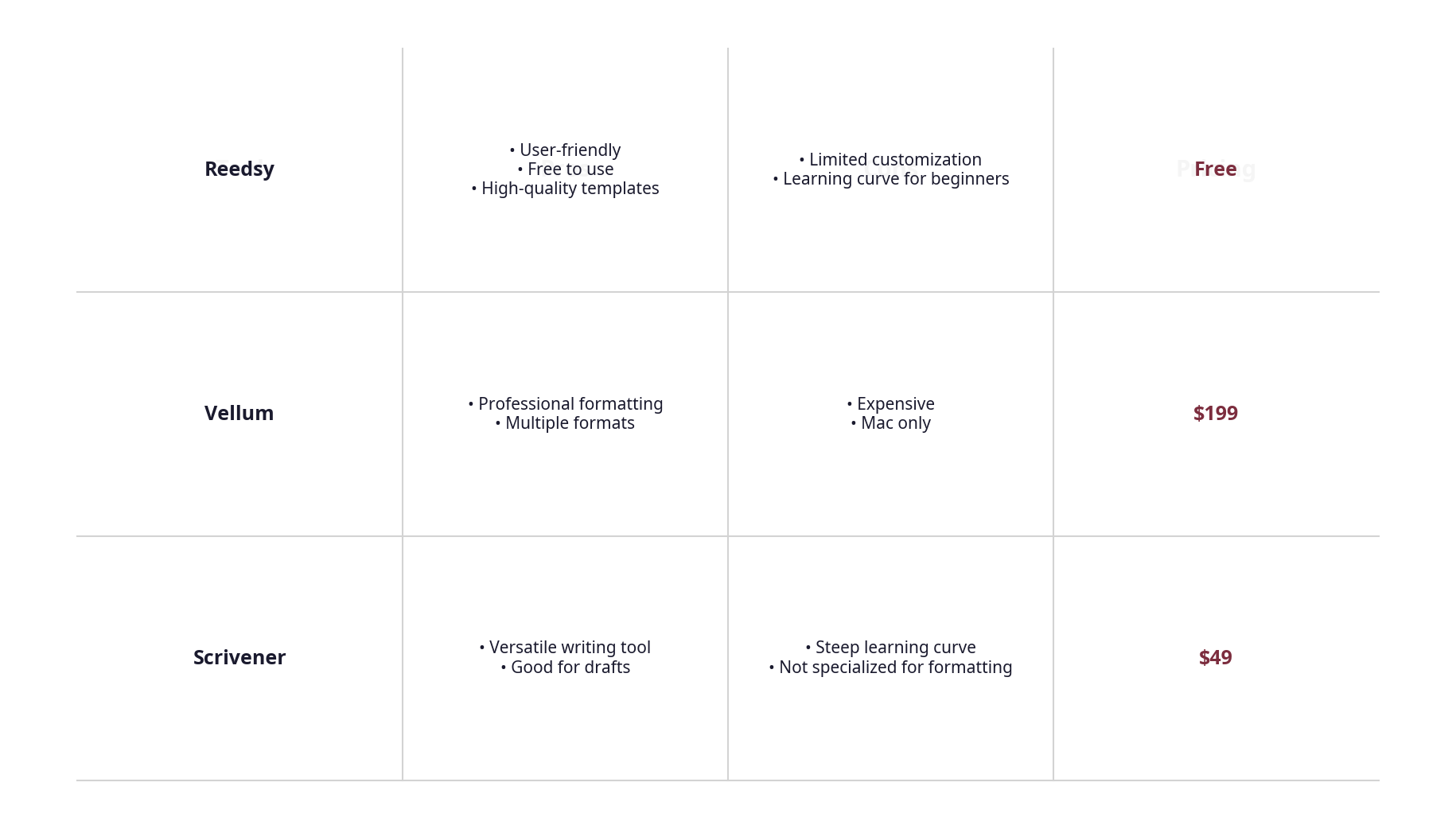
IMAGE CALLOUT: Tool comparison matrix for UK authors including pros, cons, and pricing
Cost Breakdown: What Getting Reviews Costs in the UK
Budgeting realistically for your review campaign is crucial. Here’s an approximate cost breakdown in GBP for UK authors:
| Item | Typical Cost (£) | Notes |
|---|---|---|
| ISBN (Single) | 93 | From Nielsen; owning your ISBN is advised |
| ISBN (Block of 10) | 174 | More cost effective for multiple books |
| Professional Formatting | 150–300 | Using publishing.co.uk ensures KDP compliance |
| Print Copies for Reviewers (POD) | 3–6 per copy | Including UK postage |
| Postage for Physical Copies | 1.10–3.50 per package | Royal Mail First Class or Economy prices vary |
| ARC Distribution Platforms | 0–50 monthly | Dependent on platform and list size |
| Professional Review Services (Ethical) | 50–200 per campaign | Vetted UK reviewers, avoid promises of guaranteed reviews |
| Email Marketing Platform | 0–30 monthly | Based on subscriber count |
| Cover Design | 300–600 | Professional UK designers recommended |
ISBNs: A UK-Specific Cost
Many UK authors underestimate the impact of ISBN expenses. Unlike in the US, where Bowker’s prices are lower, Nielsen’s ISBN costs can be a shock. The single ISBN price of £93 is a significant upfront cost, but it’s an investment in your book’s professional standing and future distribution. Buying a block of 10 ISBNs for £174 is often more economical if you plan multiple titles or editions.
Print-on-Demand and Postage
Sending physical review copies can be expensive. Using Amazon KDP Print to order copies shipped directly to UK reviewers may save £2–£3 per copy in postage. However, turnaround times can vary, so plan ahead. For bulk shipments, Royal Mail’s “Signed For” or “Tracked” services add security but increase costs.
Expert Tips from 25 Years in eCommerce and Publishing
Drawing on my experience building and scaling eCommerce businesses and running Amazon growth agencies, here are some advanced tips to get reviews that move the needle:
Focus on Quality Over Quantity
Amazon’s algorithm is sophisticated. A handful of detailed, verified purchase reviews from real UK readers will outperform hundreds of vague, one-line reviews. Quality reviews build trust with readers and improve discoverability more effectively.
Build Relationships with Reviewers
Don’t treat reviewers as mere transaction points. Engage with them authentically, read their reviews, comment on their blogs or social media, and nurture ongoing relationships. This often leads to repeat reviews for future books and word-of-mouth promotion.
Optimise Your Book Listing for the UK Market
Reviews alone won’t sell a book if your Amazon page isn’t optimised. Use UK English keywords, professional formatting, and a strong description that addresses UK readers’ expectations. Include relevant categories like “British & Irish Fiction” or “UK Crime & Thrillers.”
Integrate Reviews into Your Marketing Funnel
Feature positive reviews prominently on your author website, newsletters, and social channels. This social proof increases conversion rates and encourages more reviews. Consider creating a “Reviews” page on your website that aggregates your best feedback.
Automate the Mundane but Keep It Personal
Use tools to automate follow-ups and ARC management but never lose the personal touch. Automation saves time but impersonal requests get ignored. For example, use Mailchimp automation for follow-ups but personalise your opening line or sign-off.
Beware of Fake Reviews and Black-Hat Tricks
I’ve seen many authors tempted by shortcuts like Fiverr or review-swapping schemes. These not only risk Amazon penalties but also damage your brand and long-term sales. Stick to ethical practices for sustainable growth.
Leverage Publishing.co.uk for the Foundation
Without a properly formatted book and metadata, all your review efforts are wasted. Our automated formatting service removes the technical headaches so you can concentrate on growing your readership and reviews.
Real-World UK Case Studies and Examples
Case Study 1: Contemporary Fiction Author Sarah M., London
Sarah self-published her debut novel in 2022. She invested £300 in professional formatting and £600 in a bespoke cover design. She bought 10 ISBNs from Nielsen for £174 to future-proof her publishing. Sarah joined LoveReading.co.uk and connected with 15 UK-based reviewers specialising in contemporary fiction.
She sent physical ARCs to 10 reviewers using Amazon KDP Print, which cost £4.50 per copy including postage. Sarah followed up politely twice and engaged with reviewers on Twitter and Instagram. Within 8 weeks, she had 25 verified purchase reviews on Amazon UK, mostly detailed and positive, which boosted her book into the Top 100 UK Contemporary Fiction charts.
Case Study 2: UK Non-Fiction Author James T., Manchester
James published a business strategy book aimed at UK SMEs. He chose to distribute ARCs digitally via StoryOrigin and focused on UK LinkedIn groups and business forums for outreach. He bought a single ISBN (£93) and used publishing.co.uk for formatting (£200).
James paid £150 for access to a vetted UK reviewer list specialising in business books, ensuring honest and critical reviews. He also ran a small Amazon UK Giveaway for 20 copies. The campaign cost approximately £800, but James’ book achieved 15 high-quality UK-based reviews within 6 weeks, leading to invitations to speak at business events.
Anecdote: My Own Experience with UK Reviewers
When I launched Google. Panic. Repeat., I initially only sent digital ARCs to US-based reviewers. The feedback was slow, and reviews trickled in unevenly. After switching focus to UK reviewers on LoveReading.co.uk and sending physical copies, reviews accelerated quickly. One blogger even spotlighted the book in a UK newsletter, increasing sales by 40% overnight. I learned the hard way that UK market engagement requires localised effort and investment.
Frequently Asked Questions
What is the most common mistake UK authors make with getting book reviews?
Failing to tailor their approach to the UK market, often applying US-centric advice wholesale. This leads to poor engagement and wasted resources.
How much does getting book reviews typically cost in the UK?
Costs vary widely—from £150 for a basic campaign using free tools to over £1,000 for professional reviews, print copies, formatting, and marketing combined.
What tools do UK authors recommend for managing book reviews?
LoveReading.co.uk for UK-specific reviewer connections, StoryOrigin for ARC management, and publishing.co.uk for professional formatting are highly recommended.
How long does the book review process usually take?
Expect 6-8 weeks from initial ARC distribution to receiving the bulk of reviews, though this can vary by genre and reviewer availability.
Can I handle getting book reviews myself or should I hire a professional?
Many authors start DIY, but as campaigns scale, hiring professionals for formatting, outreach, and marketing can save time and improve results.
What are the UK-specific legal requirements for requesting book reviews?
You must clearly disclose any incentives provided and avoid fake or compensated reviews without proper transparency, in compliance with UK consumer protection laws.
Is it worth buying my own UK ISBN?
Yes. Owning your ISBN from Nielsen (£93 single or £174 for 10) gives you full publishing control, better credibility, and flexibility for distribution beyond Amazon.
How do I find UK reviewers who prefer physical copies?
Platforms like LoveReading.co.uk and UK book blogger directories specify reviewer preferences. Also, ask directly in your outreach if they prefer physical or digital copies. Factor in postage costs accordingly.
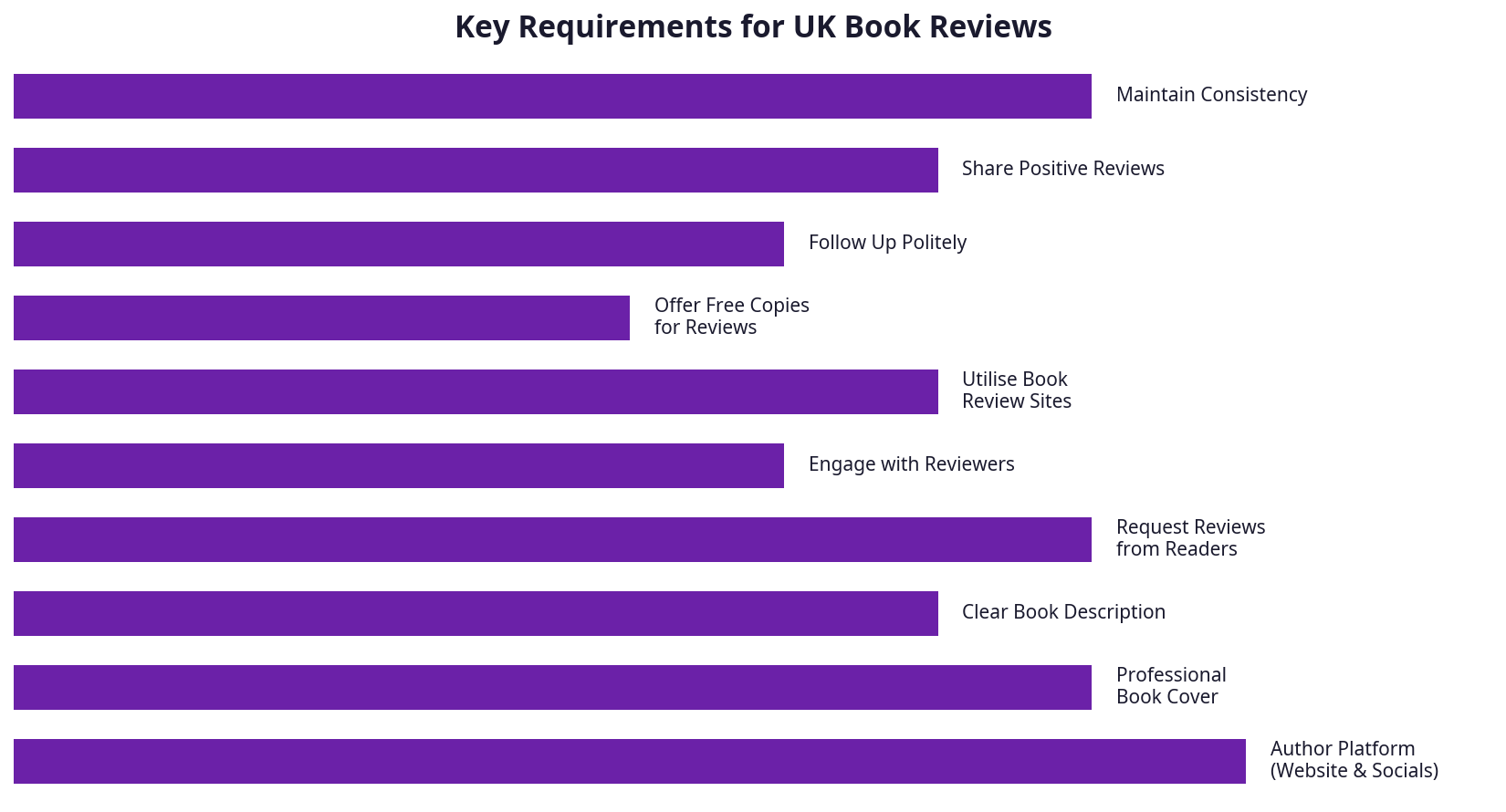
IMAGE CALLOUT: Checklist infographic summarising key requirements for UK authors to get book reviews
About the Author
Robert Prime is a best-selling self-published author, veteran eCommerce strategist, and the founder of publishing.co.uk. With over 25 years of experience in digital business and 15 successful exits, he brings a battle-tested perspective to the publishing industry. After experiencing firsthand the archaic, headache-inducing process of formatting a KDP-compliant book for his own best-seller, Google. Panic. Repeat., Robert built publishing.co.uk to solve the problem for other authors. He is also a co-owner of the LoveReading.co.uk network (the UK’s largest book review platform), founder of the Amazon growth agency MrPrime.com, and a member of the Forbes Business Council.