Amazon A+ Content for KDP: How to Set It Up
By Robert Prime
Last reviewed by Robert Prime — March 2026
Table of Contents
- Introduction
- What You Need to Know Before Starting
- Step-by-Step Guide to Amazon A+ Content for KDP
- UK-Specific Considerations
- Real Costs and Pricing Breakdown in GBP
- Comparison with Alternative Approaches
- Real-World UK Case Studies and Examples
- Common Mistakes and How to Avoid Them
- Tools and Resources
- Expert Tips from 25 Years in the Industry
- Frequently Asked Questions
Introduction
Amazon A+ Content is often touted as the secret weapon for authors looking to stand out on the world’s largest marketplace. Yet, for many UK-based self-publishers, the process is shrouded in confusion, misinformation, and outdated advice that largely comes from US-centric sources. As someone who has battled through the archaic self-publishing maze and now runs a platform dedicated to making book formatting painless, I can tell you that A+ Content on Kindle Direct Publishing (KDP) is no walk in the park—but it is absolutely worth mastering.
In this article, I’m going to break down everything you need to know about Amazon A+ Content for KDP, from the basics to advanced tips, all through a UK lens. I’ll share my experiences, frustrations, and practical business advice to help you avoid common pitfalls and invest your time and money wisely.
What You Need to Know Before Starting
Amazon A+ Content is essentially an enhanced marketing tool that lets authors and publishers add rich multimedia content to their product detail pages. This can include detailed product descriptions, comparison charts, images, video, and more. The goal is to increase conversion rates by providing shoppers with a deeper understanding of the book beyond the standard blurb.
Key Points:
- Only available for books enrolled in Amazon Brand Registry or for KDP Select titles in certain cases.
- Generally free to use, but requires time investment or paid services for professional design.
- Can significantly boost sales and reduce return rates by setting clear expectations.
- Amazon allows multiple modules (text, images, comparison charts) arranged in templates.
However, many UK authors mistakenly believe they can simply upload their manuscript and add A+ Content effortlessly. From my 25 years in eCommerce and after personal battles with Amazon’s systems, I can tell you it’s not that simple.
When I published Google. Panic. Repeat., the process of assembling KDP-ready files alone was brutal. Adding A+ Content felt like an extra layer of complexity with no clear guidance. Hiring a formatter for £130 was a disaster and Fiverr gigs were worse. That experience drove me to build publishing.co.uk, where we handle not only formatting but also integrate marketing assets like A+ Content correctly.
Before you start, make sure:
- Your book is enrolled in KDP Select if you want access to A+ Content for free.
- You understand Amazon’s brand registry requirements if you want the full suite.
- Your manuscript is perfectly formatted and your cover professionally designed to complement A+ Content.
Step-by-Step Guide to Amazon A+ Content for KDP
Amazon’s interface for adding A+ Content can be baffling, especially if you’ve never dealt with their Brand Registry or marketing dashboards. Here’s a detailed, practical walkthrough from my experience:
Step 1: Enrol Your Book in KDP Select or Amazon Brand Registry
KDP Select: Exclusive to Amazon, this enrolment allows access to A+ Content for your book at no extra cost. Go to KDP Dashboard > Bookshelf > Enrolment and select KDP Select.
This exclusivity means your ebook is only available on Amazon for 90-day cycles, but the marketing benefits can be substantial.Brand Registry: If you own a publishing brand or imprint, register it at brandservices.amazon.co.uk. This unlocks enhanced A+ Content options for multiple titles.
Note that Brand Registry requires a trademark registered in the UK or EU, which can add to your upfront costs and time investment.
Step 2: Prepare Your Content Assets
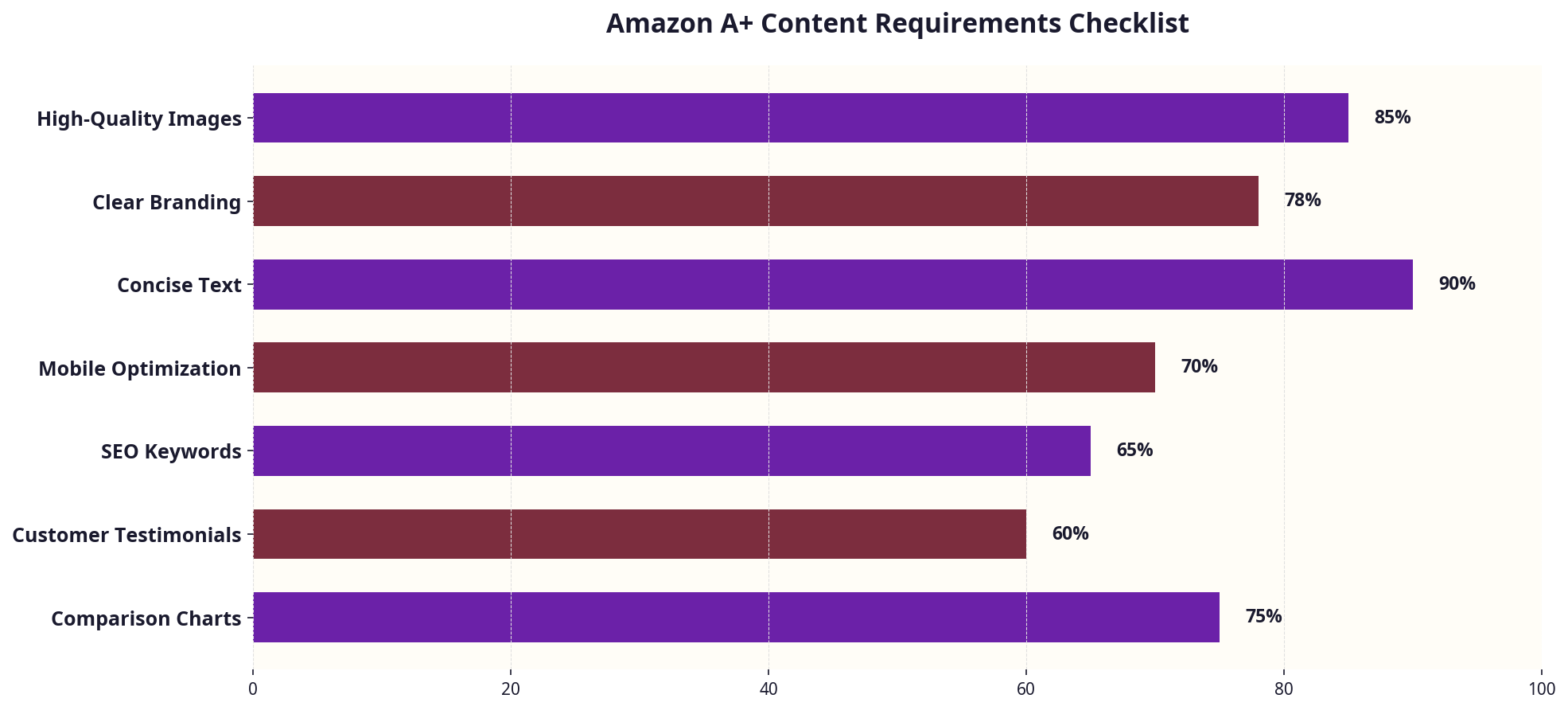
Amazon has strict guidelines for images and text. For instance, images must be high resolution (ideally 300 DPI), sized to specific pixel dimensions depending on the module, and free of promotional text like “Buy now!” or “Best seller.” Text should be concise but informative.
Keep in mind:
- Image sizes vary by module (e.g., 970 x 600 pixels for standard images).
- Use UK English spelling and conventions to align with your audience.
- Avoid overt marketing language that Amazon flags during review.
Step 3: Access the A+ Content Manager
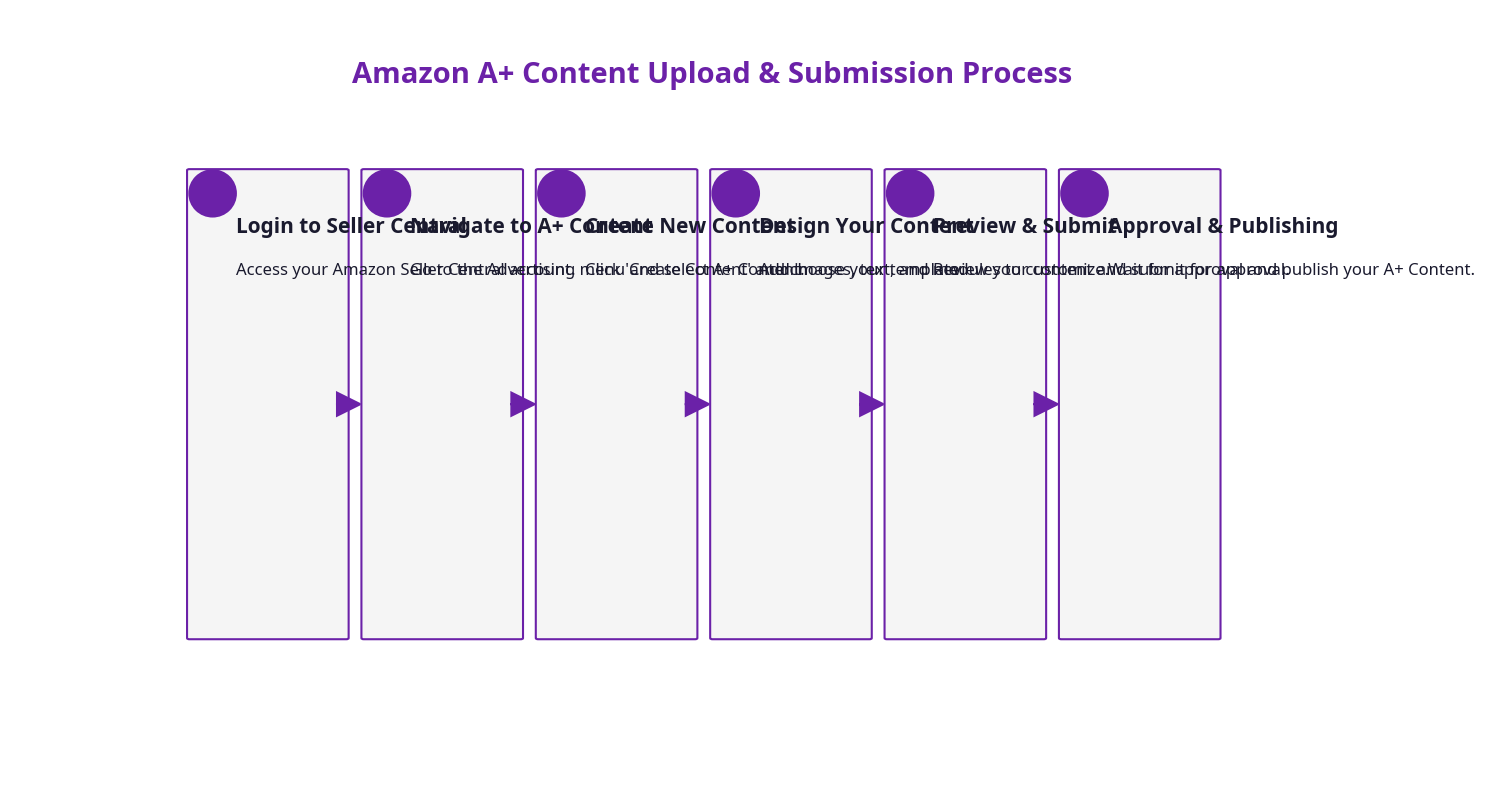
- Navigate to Amazon Seller Central > Advertising > A+ Content Manager
- For KDP authors without Seller Central access, you can get to A+ Content through the KDP Dashboard > Marketing > A+ Content link (available only if you’re enrolled in KDP Select or Brand Registry).
- Click Create A+ Content.
- Choose a template that fits your book’s needs — templates vary by layout and module count. Consider your book’s genre and audience when selecting.
- Upload images and input text in the designated fields, previewing the layout in real time.
Step 4: Link Content to Your ASIN
After creating your A+ Content, you must associate it with your book’s ASIN (Amazon Standard Identification Number). This triggers Amazon to display the enhanced content on your product page.
- Find your ASIN on your book’s Amazon UK product page URL or on KDP Dashboard under Bookshelf > Edit Details.
- In A+ Content Manager, assign your content to that ASIN explicitly.
Step 5: Review and Submit
Amazon reviews A+ Content submissions for compliance with their policies. Review times usually range from 7 to 10 days for KDP titles but can be longer during busy seasons.
- Amazon will reject submissions with non-compliant images, excessive text, or forbidden marketing claims.
- Keep communication clear with Amazon if your content is rejected; their feedback is often vague.
Step 6: Monitor and Optimise
Once live, track your book’s conversion rates and sales to see if the A+ Content is effective. Amazon Seller Central and KDP dashboards provide sales data but limited A+ Content performance analytics.
- Use your own Amazon Attribution Tags or third-party tools like Book Report for deeper tracking.
- Consider A/B testing different modules or images by alternating your content during different KDP Select enrolment periods.
- Regularly update your A+ Content based on customer feedback, reviews, and emerging market trends.
UK-Specific Considerations
The UK self-publishing market is unique in many ways, and Amazon A+ Content is no exception.
ISBN Pricing and Considerations
Unlike the US, where ISBNs are relatively cheap and issued by Bowker, in the UK you must purchase ISBNs exclusively through the Nielsen ISBN Agency. This is a significant cost barrier:
| ISBN Purchase Option | Cost (GBP) | Notes |
|---|---|---|
| Single ISBN | £93 | Suitable if you only plan one book |
| Block of 10 ISBNs | £174 | Economical for series or multiple books |
Many UK authors opt for free KDP ISBNs, but these list Amazon as the publisher, which can restrict your control over metadata and rights. This lack of ownership can impact brand building and the ability to move your book to other retailers.
VAT and Tax Rules Affecting Marketing Expenses
In the UK:
- Print books are zero-rated for VAT, meaning you don’t pay VAT on sales or reclaim it on print production.
- Digital products, including ebooks, attract a 20% VAT rate.
- Services like graphic design and professional formatting attract standard VAT, which you can reclaim if registered for VAT.
- Marketing services, including A+ Content creation, are generally standard-rated and can be deductible as business expenses if you’re VAT-registered.
Check with your accountant for precise advice, especially if you’re a sole trader or limited company. Keep detailed invoices for all A+ Content-related expenses.
UK Market Size and Competition
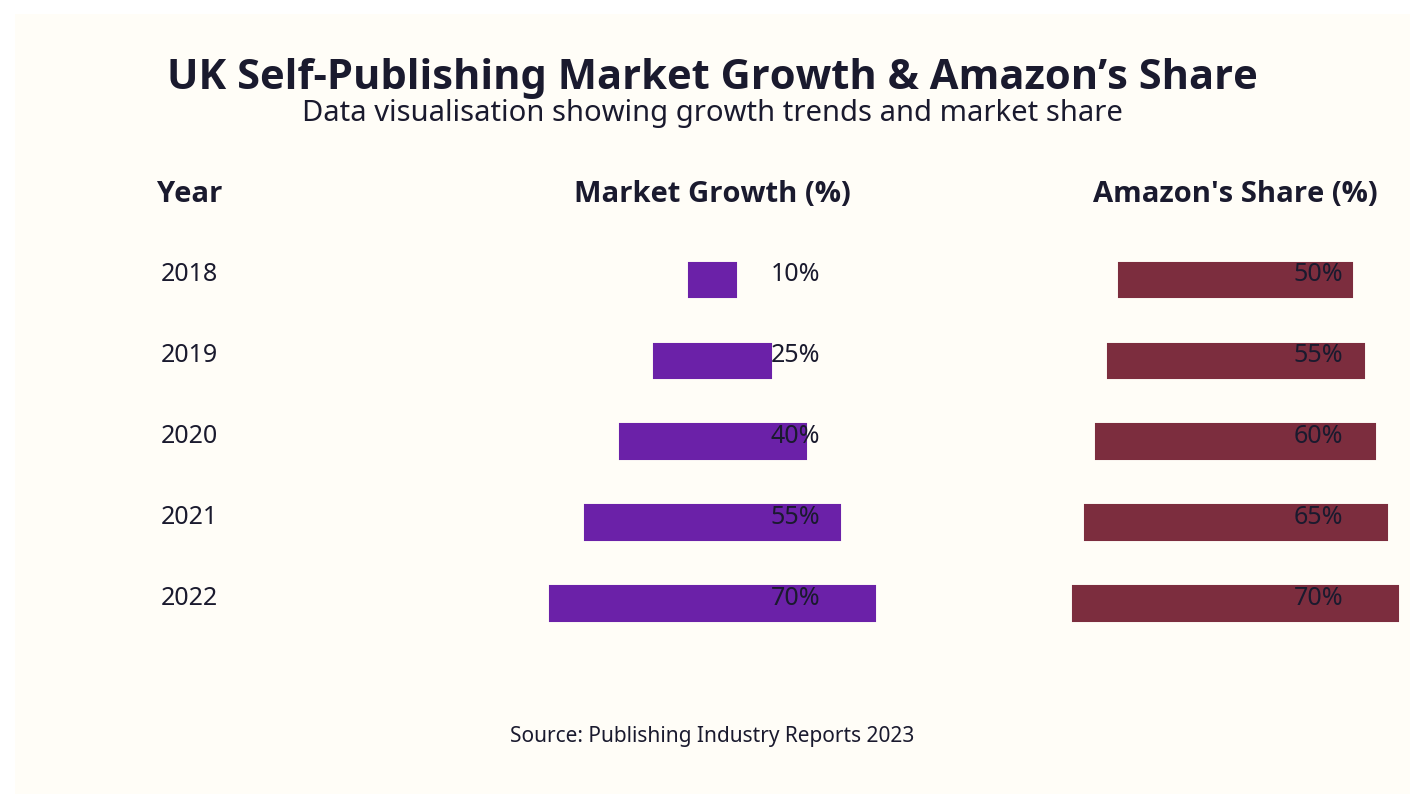
The UK publishing industry generated approximately £7.1 billion in 2023, with self-published titles accounting for a growing slice. Over 750,000 self-published titles are available on Amazon UK alone, making discoverability a huge challenge.
A+ Content can be a critical differentiator in this crowded market. For example:
- Non-fiction genres like business, self-help, and cookbooks benefit from comparison charts and detailed feature lists.
- Fiction authors can use A+ Content to showcase series order, character maps, or author interviews.
Understanding your UK reader’s preferences and expectations—like British English spelling, cultural references, and pricing sensitivity—is essential to crafting effective content.
Cover Design and Formatting in the UK
Professional UK cover design typically costs between £300 and £600, often more for highly specialised genres like children’s books or illustrated works. The cover must harmonise with your A+ Content to create a consistent visual brand.
Formatting services for KDP generally run from £100 to £250 but often don’t include A+ Content creation. Integrated services like publishing.co.uk bundle these for efficiency and quality assurance.
Distribution and Pricing Nuances
Pricing your book competitively on Amazon UK requires balancing royalties and market expectations:
- Print books priced between £7.99 and £12.99 tend to perform well in the UK market.
- eBooks priced below £3.99 generally sell better but offer lower royalties.
- A+ Content can justify a higher price point by adding perceived value through rich descriptions and visuals.
Remember to set prices in GBP on KDP and use UK-specific promotions like Kindle Countdown Deals or Prime Reading exclusives to boost visibility.
Real Costs and Pricing Breakdown in GBP
Let’s dive deeper into the real-world financial side of producing Amazon A+ Content for UK authors:
| Expense Item | Typical Cost (GBP) | Comments |
|---|---|---|
| Nielsen ISBN (single) | £93 | Required for print editions if not using KDP ISBN |
| Nielsen ISBN (block of 10) | £174 | Economical for authors with multiple titles or series |
| Professional Cover Design | £300 - £600 | UK-based designers tend to charge premium for quality and rights |
| Formatting Service | £100 - £250 | Includes ebook and print formatting; some include A+ Content prep |
| Graphic Design for A+ Content | £150 - £400 | Custom graphics, charts, and modules tailored for Amazon |
| Amazon Fees for A+ Content | Free | Available for KDP Select and Brand Registry members |
| DIY Time Investment | Variable (10-50+ hours) | Often underestimated, especially for non-tech authors |
| Trademark Registration (if Brand Registry) | £170-£200+ | UK registered trademark needed for Brand Registry |
My personal experience: When I first attempted A+ Content for Google. Panic. Repeat., I underestimated the time needed to create compliant images and copy. Between sourcing stock images, resizing, and syncing with my formatter, I spent over 30 hours. Paying a professional graphic designer saved me about 20 hours but added £250 to my budget.
Comparison with Alternative Approaches
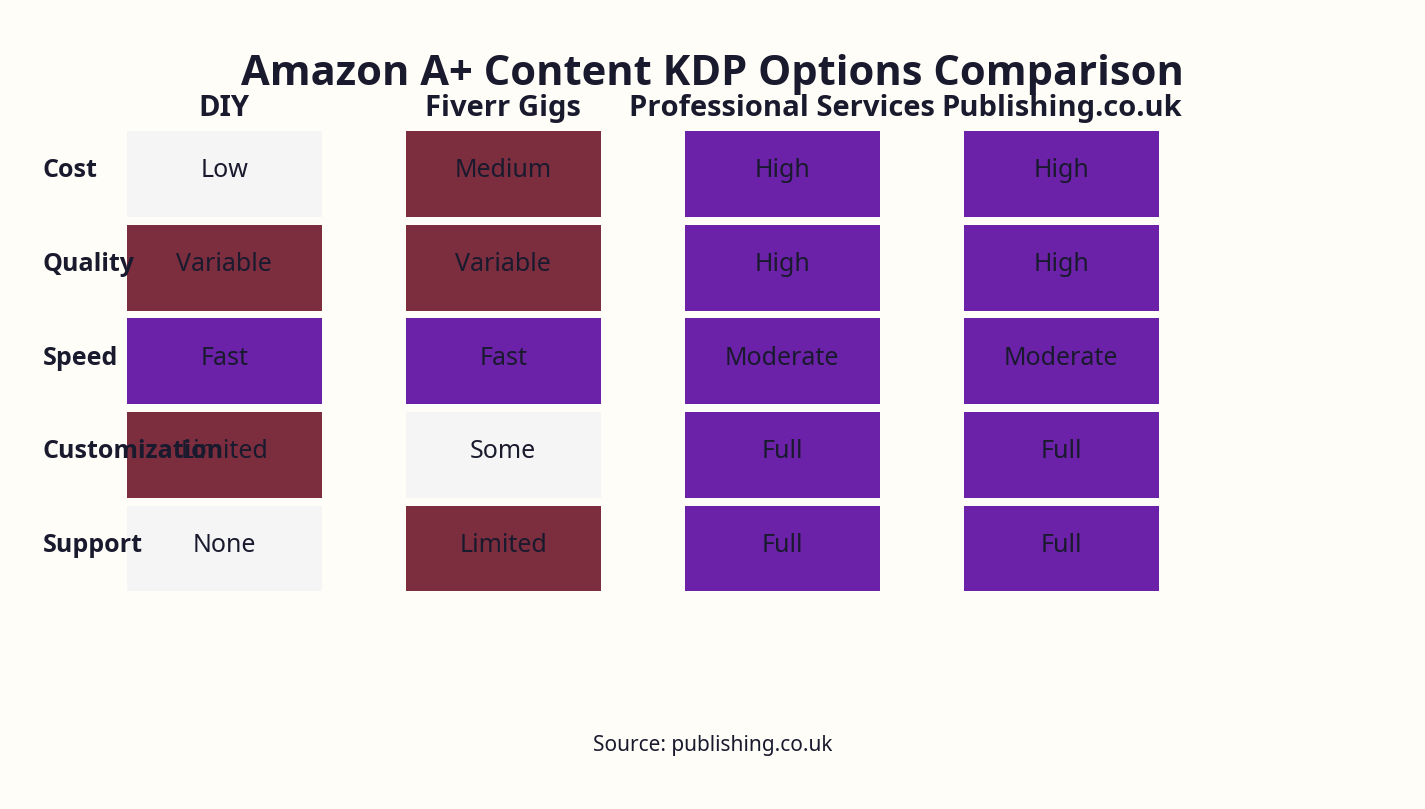
Many UK authors consider other marketing routes alongside or instead of Amazon A+ Content. Here’s how A+ Content stacks up against popular alternatives:
| Approach | Pros | Cons | Suitable For |
|---|---|---|---|
| Amazon A+ Content | Directly enhances product page; increases conversion; free if eligible | Complex setup; limited analytics; image/text restrictions | Serious authors with brand focus |
| Enhanced Brand Content (EBC) | Similar to A+ Content but for Seller Central accounts; more flexible | Requires Seller Central access; not always available to KDP authors | Publishers with Seller accounts |
| External Marketing (Social Media, Ads) | Broad reach; flexible message control | Costly; indirect impact on Amazon sales | Authors with marketing budget |
| BookBub and Newsletter Promotions | Drives spikes in sales; targeted audience | Expensive; temporary boosts | Authors with established mailing lists |
| Author Website and Mailing List | Full control over branding and messaging | Requires traffic building; indirect Amazon impact | Long-term brand builders |
Why I recommend A+ Content: For UK authors, A+ Content offers a rare opportunity to control the Amazon listing presentation beyond the blurb, which is often the only content visible to shoppers. It’s especially effective if you have a series or non-fiction book requiring detailed explanation.
Real-World UK Case Studies and Examples
Case Study 1: The Business Author Who Boosted Sales by 25%
Sarah, a London-based business coach, published her first self-help title on KDP. Initially, her book’s Amazon page was barebones — just a cover image and a basic description. After enrolling in KDP Select and adding A+ Content featuring a comparison chart of her book against competitors and testimonials, her conversion rate jumped by 18%, and sales increased by 25% over three months.
Key takeaways:
- Using data-driven modules (comparison charts) helped customers understand the unique value.
- High-quality images consistent with her brand improved perceived professionalism.
Case Study 2: The Fiction Author Who Struggled with DIY
James, a self-published UK thriller author, tried to DIY his A+ Content using Fiverr freelancers. The results were patchy: images were rejected twice by Amazon, and the formatting was inconsistent. After switching to a UK-based professional service that understood Amazon’s requirements and UK market nuances, his book page was polished, leading to a 15% rise in sales and fewer refund requests.
Key takeaways:
- Knowing Amazon’s exact image and text guidelines is critical.
- Localised spelling and pricing conventions matter.
- Professional services can be worth the upfront cost.
Case Study 3: The Series Author Maximising ISBN and Branding
Emma runs a small indie publishing imprint in Manchester. She purchased a block of 10 Nielsen ISBNs (£174) to maintain her brand across multiple titles. She used Brand Registry to unlock enhanced A+ Content for her mystery series, including author interviews and character guides. This consistent approach built a loyal UK readership and helped her negotiate local bookstore placements.
Key takeaways:
- Investing in your own ISBNs preserves metadata control.
- Brand Registry unlocks powerful marketing tools beyond A+ Content.
- A+ Content can support offline marketing and distribution efforts.
Common Mistakes and How to Avoid Them
Mistake 1: Using Low-Quality or Stock Images
Many authors try to cut costs by using generic stock photos or low-resolution images. Amazon’s strict image guidelines mean these will often be rejected or look cheap, damaging your credibility.
Avoidance:
- Invest in professional design or create your own images using tools like Adobe Photoshop or Canva (export at 300 DPI).
- Avoid watermarked or cliché stock photos.
Mistake 2: Ignoring UK Market Nuances
Following US-centric advice without localisation leads to errors. For example, spelling differences (e.g., “favourite” vs. “favorite”), pricing expectations, and ISBN handling differ significantly in the UK.
Avoidance:
- Always proofread for UK spelling and grammar.
- Use UK currency symbols (£) and pricing formats.
- Understand Nielsen ISBN requirements.
Mistake 3: Overloading A+ Content with Text
A+ Content isn’t a place for your entire book blurb or author bio. Keep text punchy and focus on benefits and features that matter to buyers.
Avoidance:
- Use bullet points and short paragraphs.
- Highlight unique selling points and key reader takeaways.
Mistake 4: DIY Without Technical Know-How
Amazon’s A+ Content manager is not intuitive. I’ve seen authors waste hours trying to get the layout right, only to have the content rejected due to minor formatting errors. It’s a false economy to use Fiverr or cheap freelancers who don’t understand Amazon’s precise requirements.
Avoidance:
- Use professional services specialising in UK Amazon publishing.
- Follow Amazon’s exact image size and text limits.
Mistake 5: Neglecting Mobile Optimisation
Most Amazon shoppers browse on mobile. A+ Content must be optimised for mobile viewing, which means avoiding tiny text or images that don’t scale properly.
Avoidance:
- Preview A+ Content on mobile devices before submission.
- Use larger fonts and clear images.
Tools and Resources
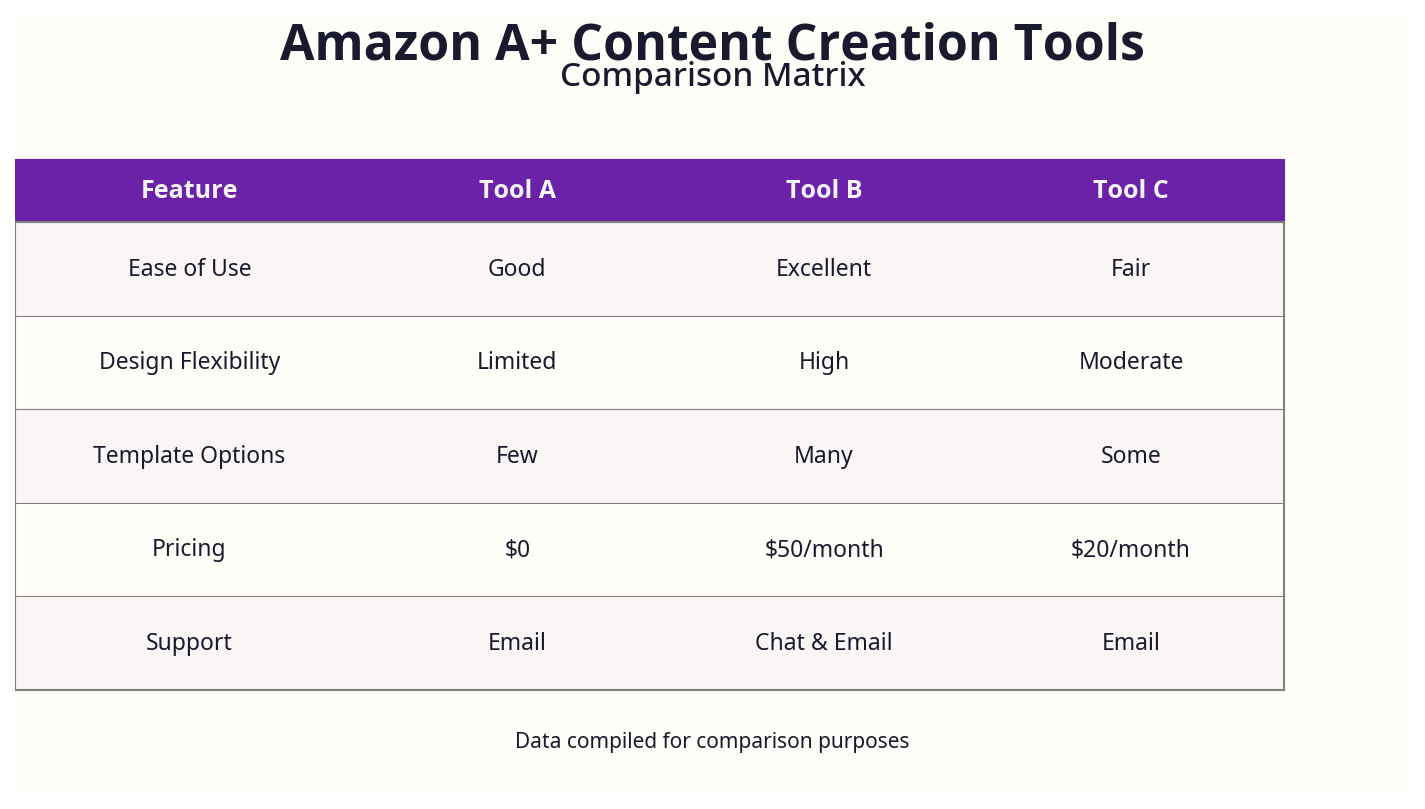
Amazon’s Built-In A+ Content Manager
Free but clunky and limited. Good for basic layouts but not ideal for UK authors needing precise control.
Access via:
- Seller Central > Advertising > A+ Content Manager (requires Seller Central account)
- KDP Dashboard > Marketing > A+ Content (for KDP Select or Brand Registry members)
Professional Formatting and Marketing Services
Platforms like publishing.co.uk integrate formatting with A+ Content preparation, ensuring compliance and visual consistency. We’ve worked with dozens of UK authors to streamline this process.
Graphic Design Software
- Adobe Photoshop / Illustrator: Industry standard for image preparation, but costly and complex.
- Canva: Accessible for non-designers, with free and Pro versions; beware of export resolution limits.
- Affinity Designer: Affordable alternative to Adobe products, one-off purchase.
ISBN and Barcode Providers
- Nielsen ISBN Agency: UK-exclusive ISBN provider.
- GS1 UK: For EAN-13 barcodes required for print books.
Validation Tools
- Amazon Previewer: Check how your book and A+ Content will appear on Amazon devices and web.
- EPUBCheck: For ebook validation if you plan to publish beyond Amazon.
- Kindle Previewer: Useful to preview ebook formatting before upload.
Additional UK Resources
- The Bookseller Magazine: For UK publishing industry news.
- Author Hub UK: Communities for UK authors to share experiences.
- HMRC Website: For VAT and tax guidance on self-publishing.
Expert Tips from 25 Years in the Industry
Treat A+ Content as an Investment, Not an Expense
Your A+ Content is a direct reflection of your brand. Cutting corners here is the fastest way to tank your sales.Leverage Your eCommerce Experience for Data-Driven Decisions
Track how your A+ Content affects conversion rates and tweak accordingly. Don’t just “set and forget.”Use Consistent Branding Across Formats
Your Kindle ebook, print book, and A+ Content should feel like part of the same family. This consistency builds trust.Avoid Overpriced Fiverr Gigs and Amateur Formatters
I learned this the hard way, hiring a so-called expert for £130 who delivered a mess. Later, I built publishing.co.uk to solve exactly this problem.Plan Your Content Modules Around Your Audience’s Questions
Use Amazon reviews and customer questions to inform what your A+ Content should address.Don’t Rely Solely on Amazon Tools
Amazon’s native tools are limited and often buggy. Use professional graphic software and validation tools.Integrate Marketing and Formatting from the Start
Getting A+ Content right is not just about visuals; it’s about making your book discoverable and compelling in the UK market.Consider Trademarking Your Publishing Brand
This unlocks Brand Registry and enhanced A+ Content capabilities, and protects your brand legally.Keep an Eye on Amazon Policy Changes
Amazon updates its guidelines regularly; stay informed to avoid sudden rejections.
Frequently Asked Questions
What is the most common mistake UK authors make with Amazon A+ Content KDP?
The most frequent error is assuming the US-centric advice applies directly, leading to problems like ignoring Nielsen ISBN requirements or VAT implications. Another big mistake is using low-resolution or non-compliant images that Amazon rejects.
How much does Amazon A+ Content KDP cost in the UK?
Amazon does not charge for A+ Content if you are enrolled in KDP Select or Brand Registry. However, costs arise from ISBN purchases (£93 per single ISBN), professional cover design (£300-600), and graphic design for the content (£150-400). DIY approaches can cost time rather than money but often lead to poor results.
What tools do UK authors recommend for Amazon A+ Content KDP?
Authors who succeed often use a combination of Amazon’s A+ Content Manager, professional formatting services like publishing.co.uk, and graphic design software such as Adobe Photoshop or Affinity Designer. Validation tools and Amazon’s previewer are also essential.
How long does the Amazon A+ Content KDP process typically take?
From preparing assets to submission and approval, expect 2 to 3 weeks. Amazon’s review process takes 7-10 days, while asset preparation depends on your experience and resources.
Can I handle Amazon A+ Content KDP myself or should I hire a professional?
While it’s possible to DIY, most authors find the process technical and time-consuming, often resulting in rejected submissions or subpar content. Hiring a professional or using a dedicated service like publishing.co.uk is usually more cost-effective and less stressful.
What are the UK-specific requirements for Amazon A+ Content KDP?
Aside from Amazon’s general guidelines, UK authors must consider Nielsen ISBN registration, VAT implications, and market-specific spelling and pricing conventions. Also, ensure your content aligns with UK consumer expectations and legal standards.
About the Author
Robert Prime is a best-selling self-published author, veteran eCommerce strategist, and the founder of publishing.co.uk. With over 25 years of experience in digital business and 15 successful exits, he brings a battle-tested perspective to the publishing industry. After experiencing firsthand the archaic, headache-inducing process of formatting a KDP-compliant book for his own best-seller, Google. Panic. Repeat., Robert built publishing.co.uk to solve the problem for other authors. He is also a co-owner of the LoveReading.co.uk network (the UK’s largest book review platform), founder of the Amazon growth agency MrPrime.com, and a member of the Forbes Business Council.
This expanded guide aims to provide UK authors with the detailed, practical, and business-oriented knowledge to leverage Amazon A+ Content effectively. It’s not just about adding pretty pictures; it’s about building your brand, maximising your investment, and standing out in one of the most competitive book markets in the world.